A Conversation with Kyle Abraham on Transformation and Abstraction
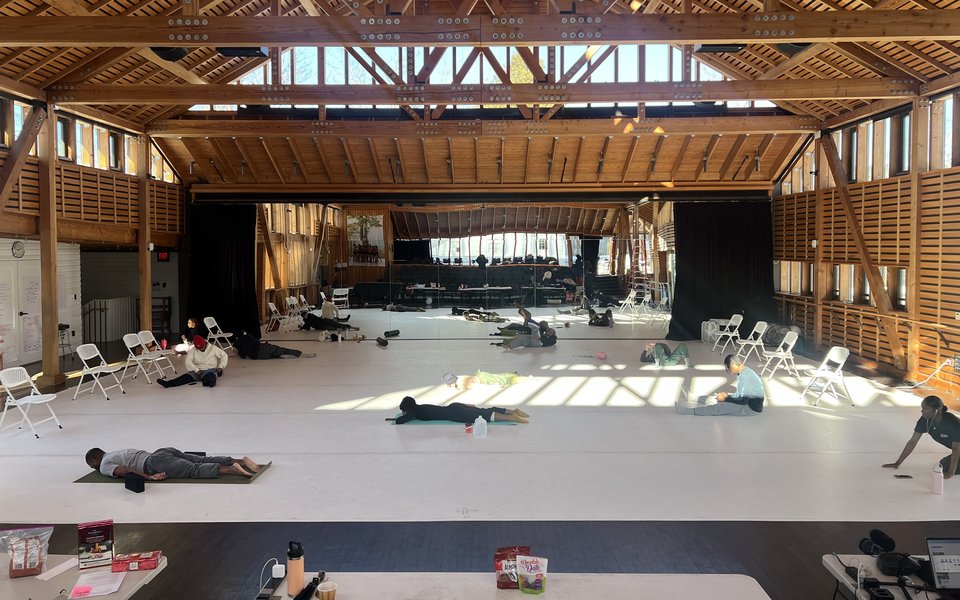
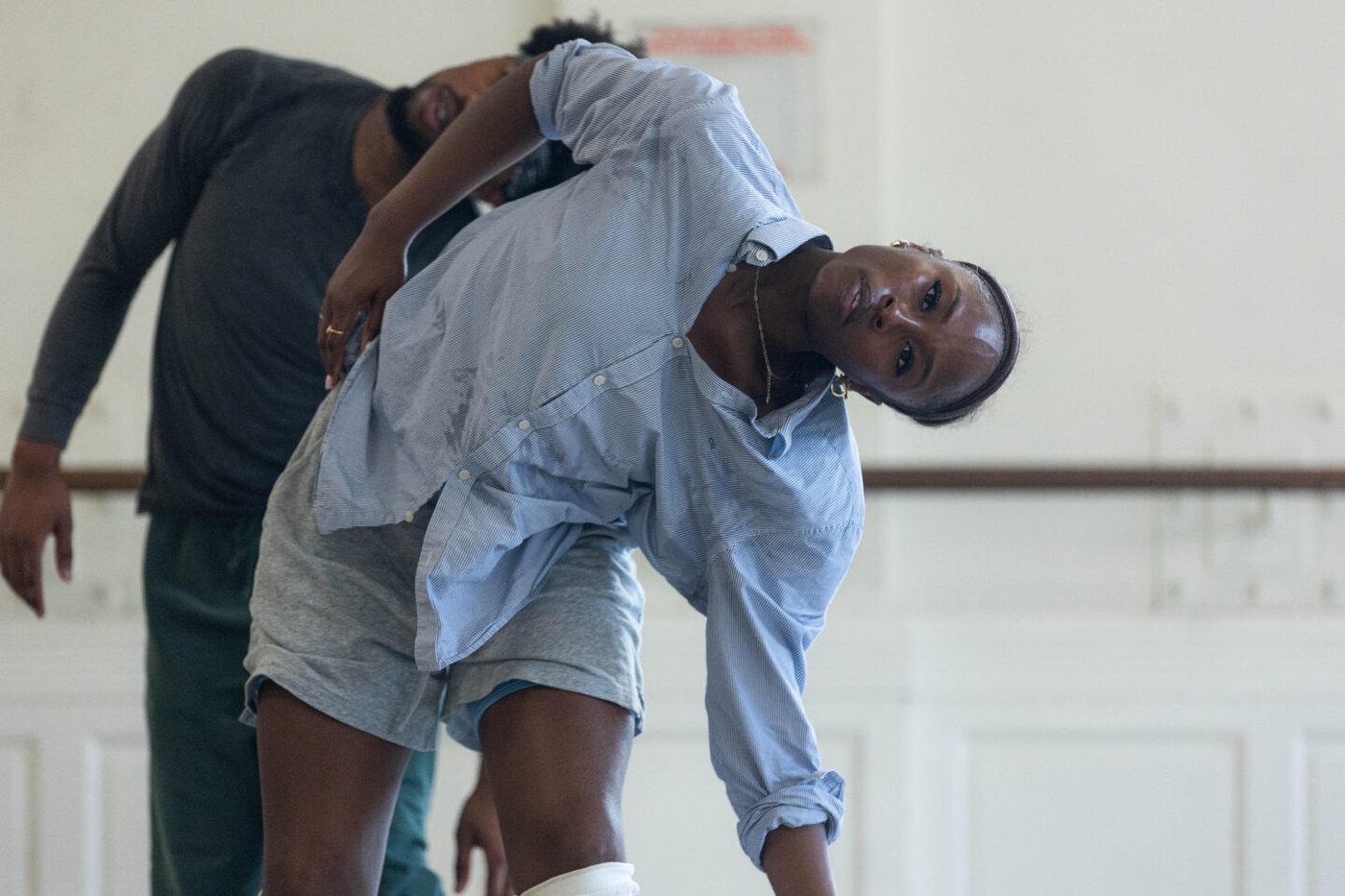
In December 2025, A.I.M by Kyle Abraham travelled to the snowy mountains of the Berkshires to continue development of Abraham’s newest evening-length work entitled White Space, a work set to make its U.S. premiere during Festival 2026. Abraham and the dancers walked away from the Pillow Lab residency with over an hour of material, a wealth of experiences working with their musical collaborators, and even a couple of science experiments.
Following his Pillow Lab residency, we talked with Abraham about how his work has transformed over time, the energy created in the studio, and where White Space is headed next.
Tell us a bit about the project you worked on during your residency.
I was working on a new evening-length work, it’s a little over an hour in length, called White Space, with music composed by both Jason Moran and Nico Muhly, working together on this score collaboratively. It’s the first time they’ve worked together. We’re also working with Glenn Ligon as a visual artist, designing scene elements, Reid & Harriet doing the costume design, and lighting design by Dan Scully.
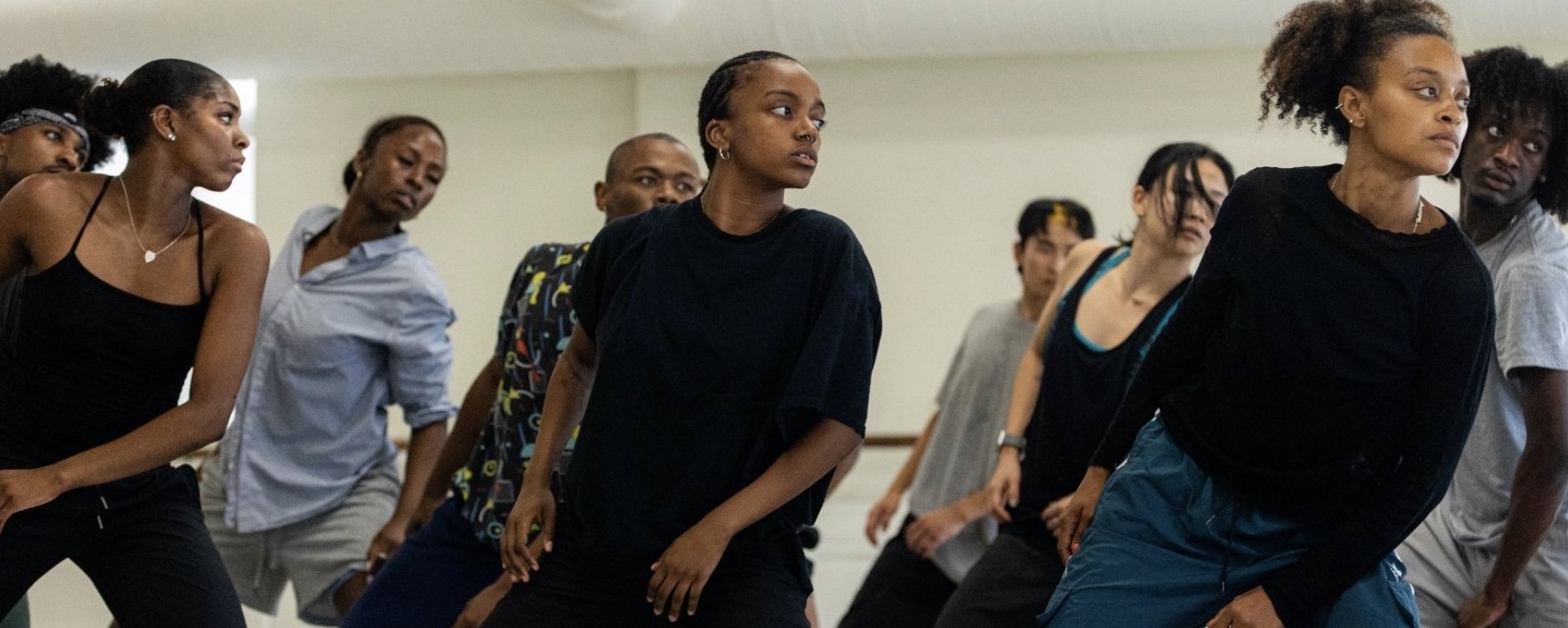
I’m working with a larger ensemble of dancers, and I think for me, there’s a lot that I’m curious about exploring. One of the things that I wanted to use the residency for was to think about whether or not this is an evening-length work, or should it be something that’s paired with another work. I’m trying to think about whether or not I should trim the fat, so to speak, or add some more substance and seasoning to what we already had. So that was a big task that I wanted to put in the space. I also wanted to think about who the dancers are, and how are they really standing out or not in the work? And what do we need to do to hopefully clarify a lot of puzzle pieces.
…that’s the beauty of abstraction, right? That people can go and see art, whether it be a painting, or a dance performance, and have their own interpretation.
Now the work itself is meant to be an abstract work. I don’t ever like to really talk about what a dance is about, because I think that’s the beauty of abstraction, right? That people can go and see art, whether it be a painting, or a dance performance, and have their own interpretation. But the biggest thing is hopefully…it connects with them in some capacity. I think that [White Space] is a work that, in some ways, makes space for conflict and confrontation, but also community. I’m curious to see how that continues to evolve over time. I’m playing intentionally with a certain level of ambiguity in the work, but with that, I need to work on how, dramaturgically, you’re still giving the audience a beginning, middle and an end of an experience.
Your last Pillow Lab residency was in 2018. What transformations have you seen in your work since then?
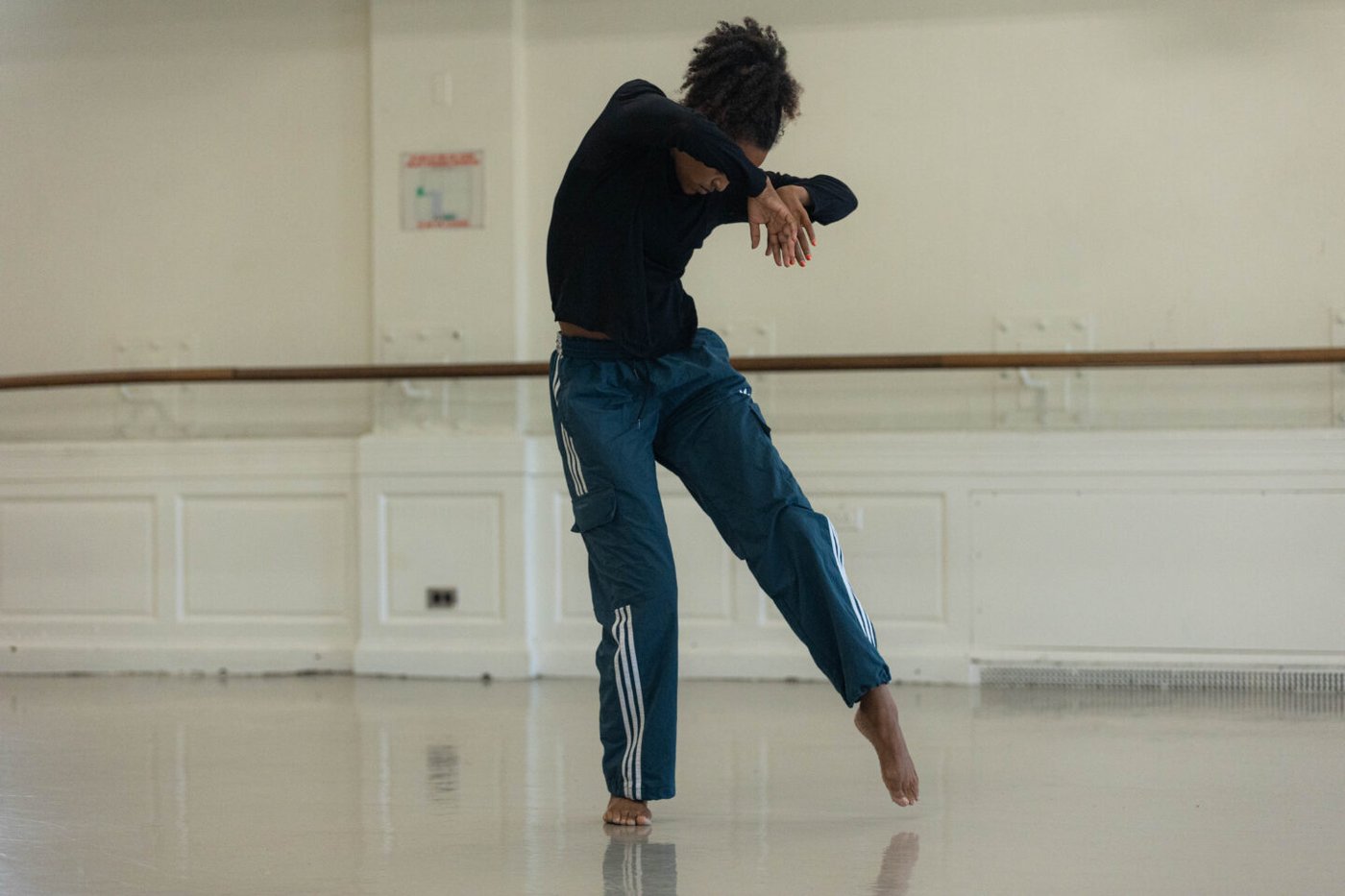
I’ve had a lot of really rich conversations with my dancers since then about the work that I’m making, and who was watching the work. It’s gotten to a place where I’m finding more and more confidence in the way that I’m exploring, from a movement standpoint, and in a lot of ways, I’m also returning to a way of moving that I started out with before getting into this notion of studying dance all the more.
I’m asking what is it that I want to say, and how best can I work to find a way to say that?
It’s been full circle for me, because when I first started studying dance, I was never insecure. I was just moving, and I had a great time doing so. But the more eyes that get on the work, the more insecurities and imposter syndromes and all those things take over. But now, I’m in a place where I’m trying to make more grace for myself to explore, to take other types of risks that I might not have otherwise, and really put my curiosity at the forefront, and not think as much about anyone else’s perceptions and the like. Instead, I’m asking what is it that I want to say, and how best can I work to find a way to say that?
What are your main takeaways from your week spent at the Pillow?
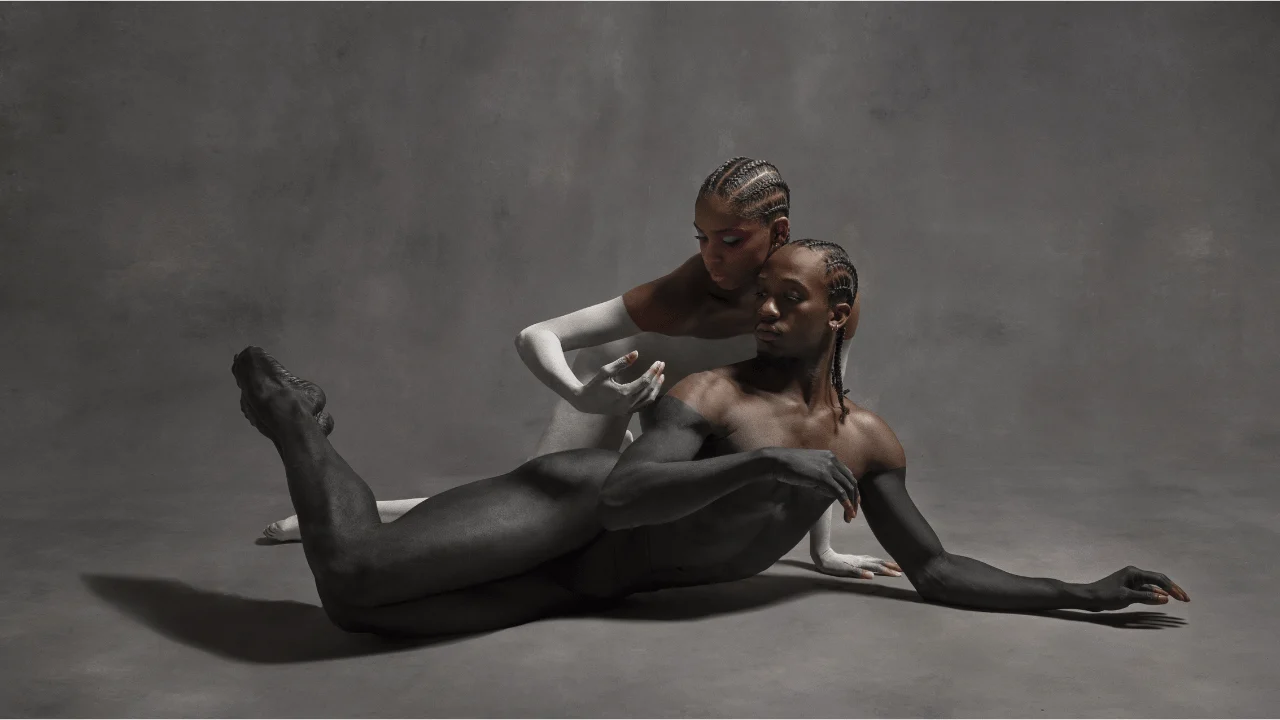
There’s some moments that I created this past week that made me really excited about the work in a different way. They’re subtle things, but they’re moments that I think are really, really beautiful. At the same time, we worked on some moments that are meant to be ridiculous, like, next level ridiculous.
When you’re working in such an intimate way, like in the Pillow Lab, you’re given the opportunity to joke together and to be quiet together. I think that’s what you’ll see in some of the developments that we made this past week. We were also spending time trying to figure out some science [experiments] that I can’t get into yet, because it may give some things away about the show. But we’re working on some science experiments, and trying to find the right way to get some some thematic ideas out.
When you’re working in such an intimate way, like in the Pillow Lab, you’re given the opportunity to joke together and to be quiet together.
What did you find most challenging about the residency, and what was the most rewarding?
The most challenging thing was probably giving myself grace. The more established the company starts to become, and the more my team kind of expands, the more I feel beholden to schedules and things like that, that I don’t always want to be. The Lab allows you to work extended hours in a way that feels more seamless.
The most rewarding… I’m still probably unpacking. One of the greatest things was having my dramaturg, Charlotte Brathwaite, there with us and working with her and having Nico and Jason come up as well, and being [at the Pillow] when it’s snowing. It was really beautiful to be there in the snow and make this work in particular with that backdrop.
What kind of energy did having those collaborators with you in the space create?
It was really informative. Jason Moran had come into rehearsal at one point, but Nico Muhly hadn’t. So it was really informative for both of them to be there in the space and be able to talk together and to watch sections together and say, ‘Okay, this is this is how we’re seeing this transition,’ or ‘this is why that sound didn’t work previously, going from one thing to the next,’ and so it was really helpful. People don’t realize how integral transitions are in dance, but they are really the bread and butter of dance a lot of the time.
You’ve described this piece as a dance-theater work. Can you define what that means for you, and how it influences your creative process?
I think the majority of the evening length works that I’ve made for the company are dance-theater works. But the way in which I go about exploring dance-theater hopefully shifts from project to project. Some works have more text than others, where the performers are speaking onstage. But I don’t think that’s a requirement of a work to be considered dance-theater. That being said, there are different theatrical ideas that we’re exploring and playing with in White Space specifically. But all that shifts over time.
It’s hard to try to say. For example, musicians, for the most part, say they do music, but what they’re doing with it is all very, very different.
Without revealing too much, in three words, how would you describe this work in development?
Risky, surprising, and musically-driven.
It was just announced that A.I.M will be returning to the Pillow next summer to perform this work in Festival 2026. How did this shape your approach to the residency, and did it bring up any reflections on where the piece is going?
I try not to think too much about the end date. One of the childhood stories or fables that stuck with me more than any is “The Tortoise and the Hare.” And I never want to be the hare. I try to make as much work as I can in the early stages, so that we have more to cut and take things away as opposed to, at the last minute, being stressed about adding things.
Risky, surprising and musically-driven.
For me, it was important to leave the pillow with a good draft. We left with maybe an hour and five minutes worth of material. I would like to think that in the next month or so, I will have another draft. For me, it’s trying to get to a place where I’m having fully realized drafts–I think we got to a really good draft. There are things that still really need to happen, but [its] definitely much, much closer.
What is the next step from here, and what will you be investigating next?
We’re going to keep playing with some of the science experiments. We’re getting ready to share the work with some presenters and get their perspective on the work, but that’ll be right after the new year. So for right now, I’ll start reading some more and finding other points of inspiration to bring into the work over time, trying to work on those things as best I can at the moment. I’ll also talk to more of my collaborators and get some fully realized music.
Read More Pillow Picks
Inside the Faculty Research Fellowship with Rain Ross
Inside the Faculty Research Fellowship with Careitha Davis