Interweaving Indigenous Principles
Visual Art and Landscape Design in the New Doris Duke Theatre
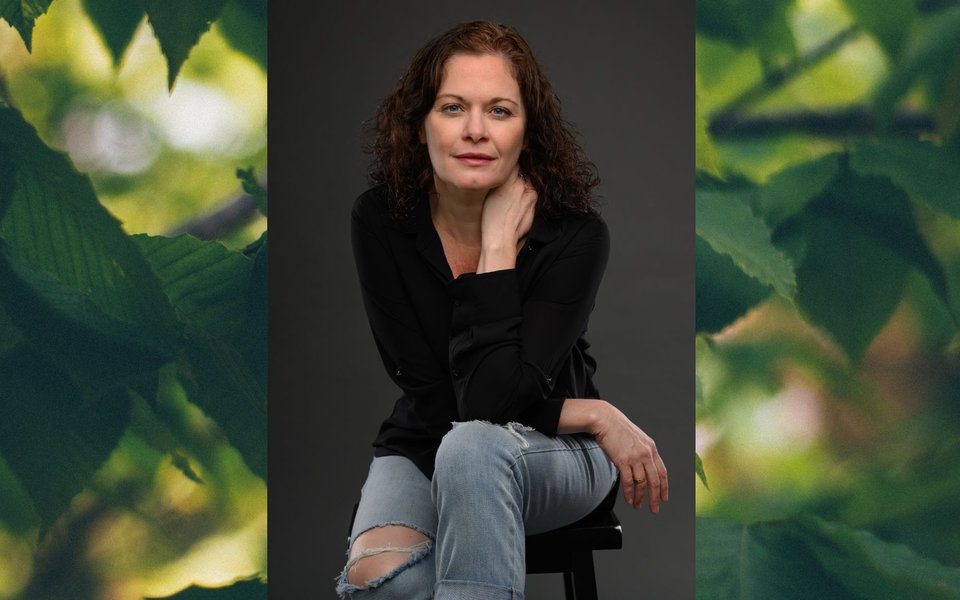
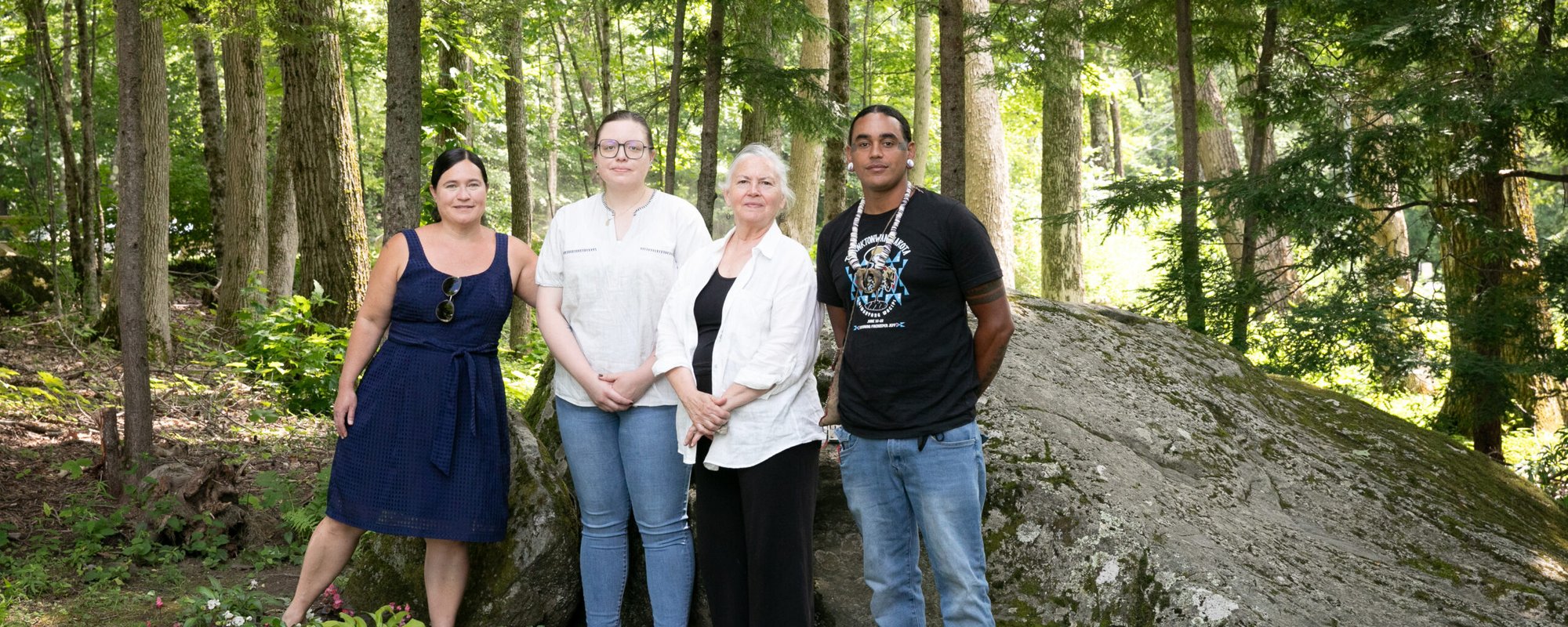
Visitors who walk the grounds and lobby of the new Doris Duke Theatre are surrounded by the creative efforts of Indigenous artists: beautiful gardens, a communal fire pit, and visual art that integrates Indigenous cultural values. After a months-long nationwide selection process, Jacob’s Pillow partnered with Indigenous artists–Brenda Mallory, Misty Cook, Kathi Arnold, and Andre StrongBearHeart Gaines Jr.–who led the creation of visual art and landscape design elements for the new Doris Duke Theatre.
This work supported our continued efforts with Indigenous partners to create a new theater that respects the multiple heritages of the region, and creates a space for meaningful cultural exchange. The theater is designed to reflect our values of sustainability, accessibility, and respect for Indigenous culture. Collaborating with Indigenous artists and incorporating traditional cultural practices into the site design provided an opportunity to further Jacob’s Pillow’s efforts to decolonize the organization and connect with the multiple histories of the land.
I see that this work is really coming from the heart.
The four commissioned Indigenous artists joined a robust design team for the new Doris Duke Theatre, which was reimagined after the original theater was destroyed by fire in November of 2020. Guided by lead architect Mecanoo and the U.S.-based local architects and landscape architect, Marvel, in collaboration with technical theater consultant Charcoalblue and renowned artist, MacArthur Fellow Jeffrey Gibson, the design of the Doris Duke Theatre embraces the Pillow’s diverse history and pushes boldly into the future of dance, one that values inclusivity, dialogue, and collaboration.
“Jacob’s Pillow exists on the ancestral homelands of the Mohican people, who were forced from here and who currently reside in Wisconsin, where they are known as the Stockbridge-Munsee community,” said Jacob’s Pillow Executive and Artistic Director, Pamela Tatge. “It is important to recognize and collaborate with those on whose land we dance, land which gives us our quintessential identity.” Tatge explained that the artists and designers “weave Indigenous culture into the fabric of the Doris Duke Theatre through artwork and a holistic collaboration on landscape design.”
Brenda Mallory
Andre StrongBearHeart Gaines Jr.
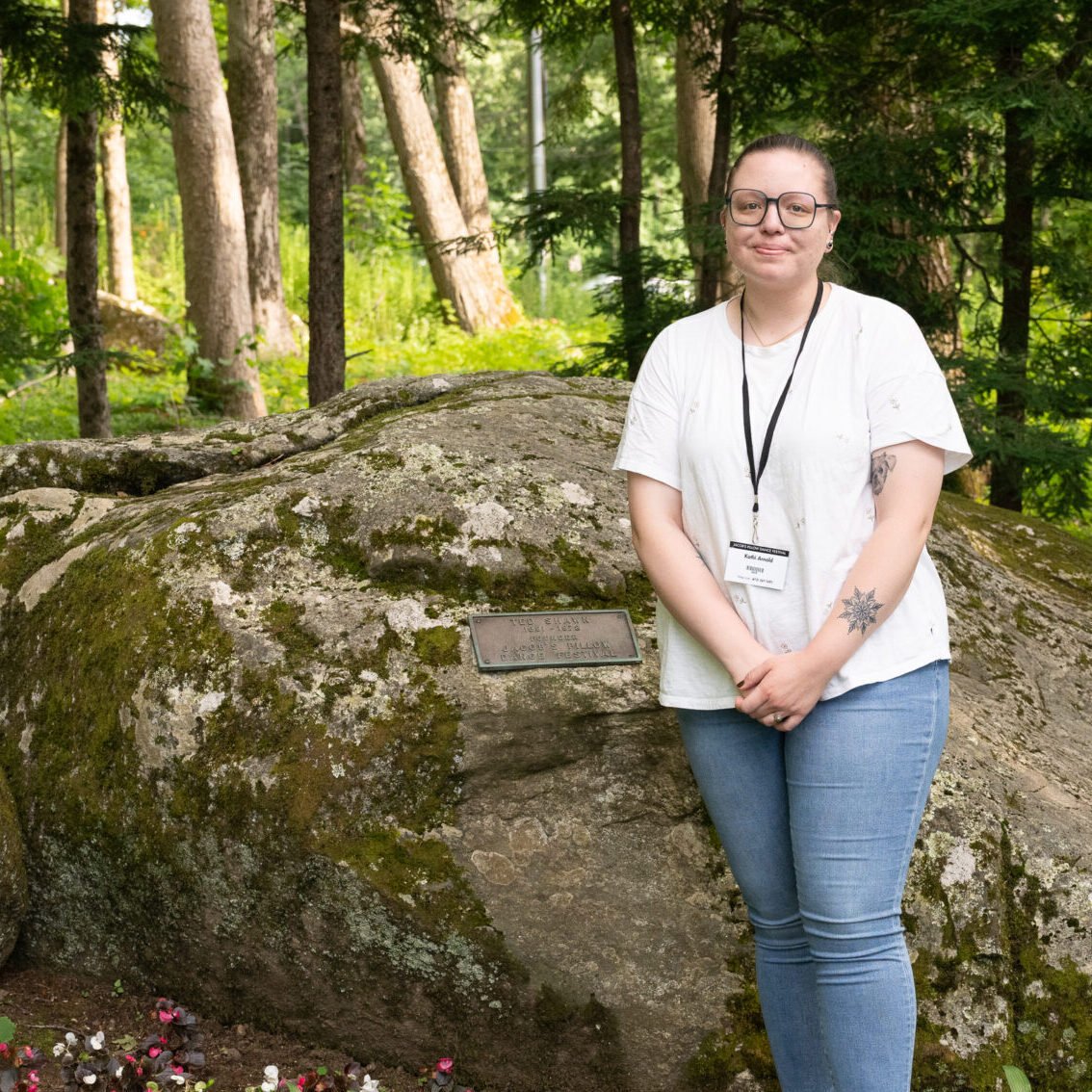
Kathi Arnold
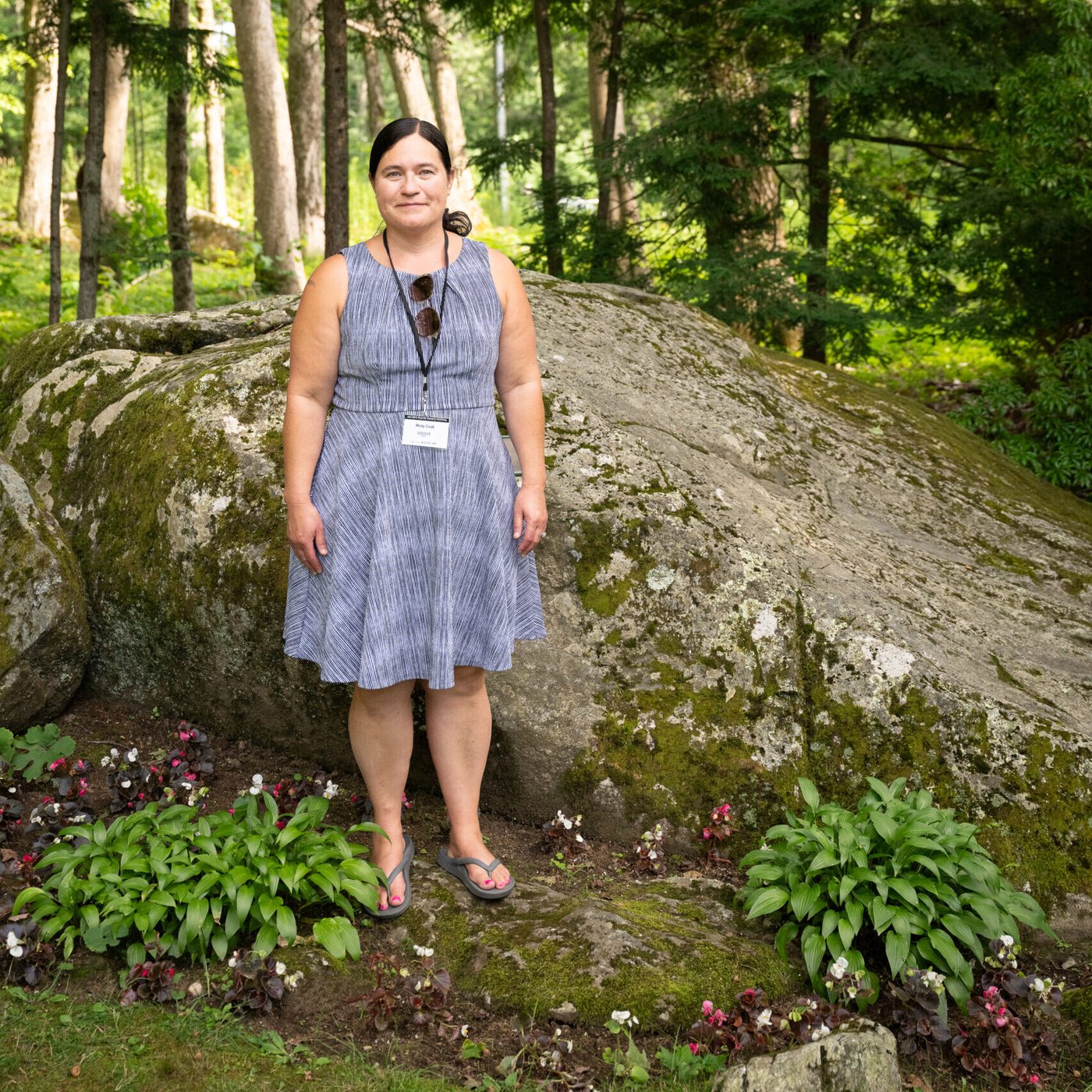
Misty Cook
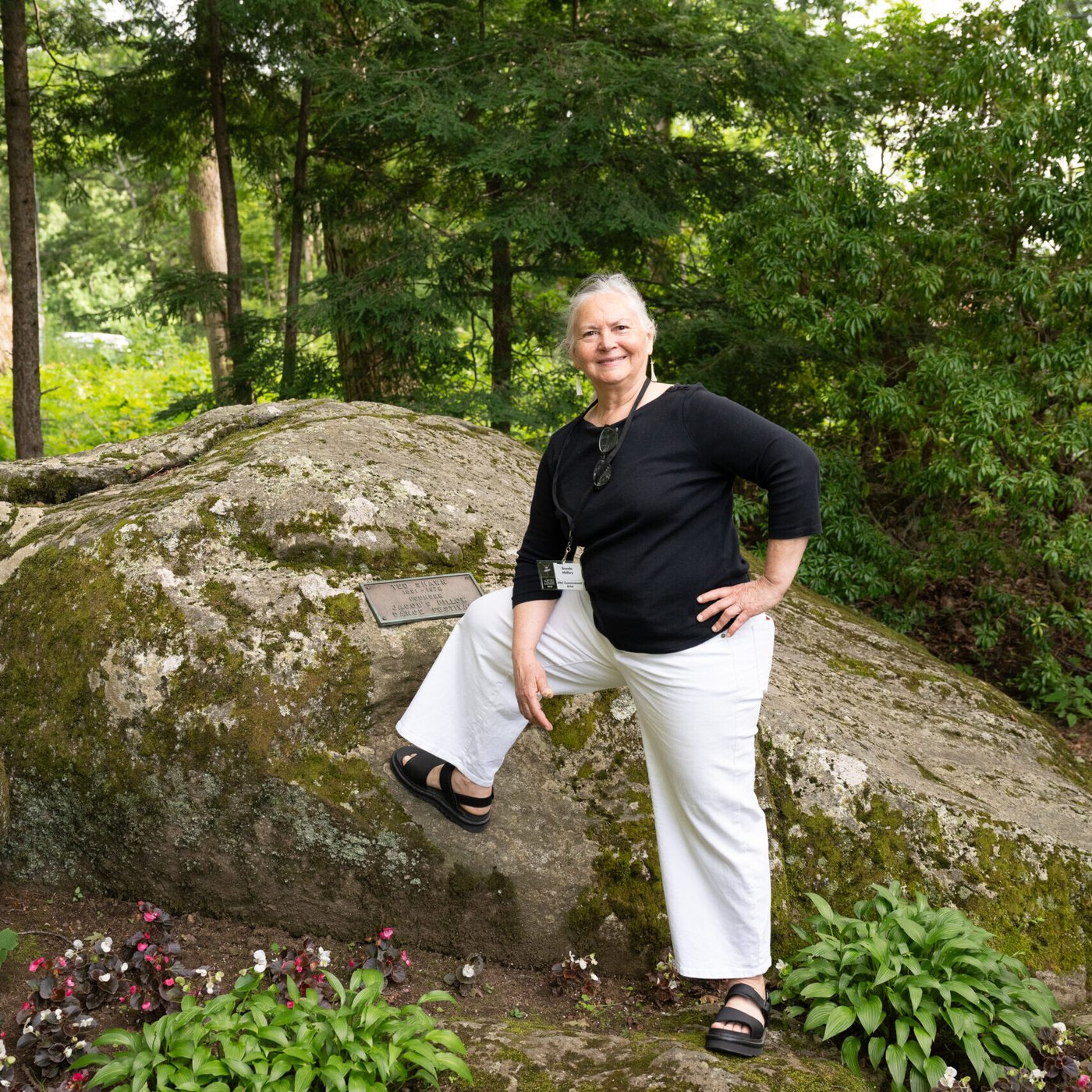
Brenda Mallory
Local beeswax from Massachusetts and reclaimed cloth scraps make up Brenda Mallory’s visual art installation as the focal point of the lobby in the Doris Duke Theatre. An Indigenous artist and citizen of the Cherokee Nation who resides in Portland, Oregon, Mallory utilizes reclaimed materials to meditate on disruption, repair, and the connections between nature and humanity.
Drawing on Cherokee tradition, Mallory’s installation centers on the theme of seven generations, a symbolic number of Cherokee cosmology. Waxed cloth, in seven shades of red, will evoke ancestral history and connections with the nature surrounding us.
When Mallory visited the Pillow in July 2024, she saw connections between the history of the Mohican people and the ancestral stories of the Cherokee.
“This commission means a lot to me, as the story of tribes of this area who were removed from their homelands is also the story of the Cherokee,” said Mallory. “Acknowledging these common histories is important to me, and this project also feels meaningful for Jacob’s Pillow. I see that this work is really coming from the heart.”
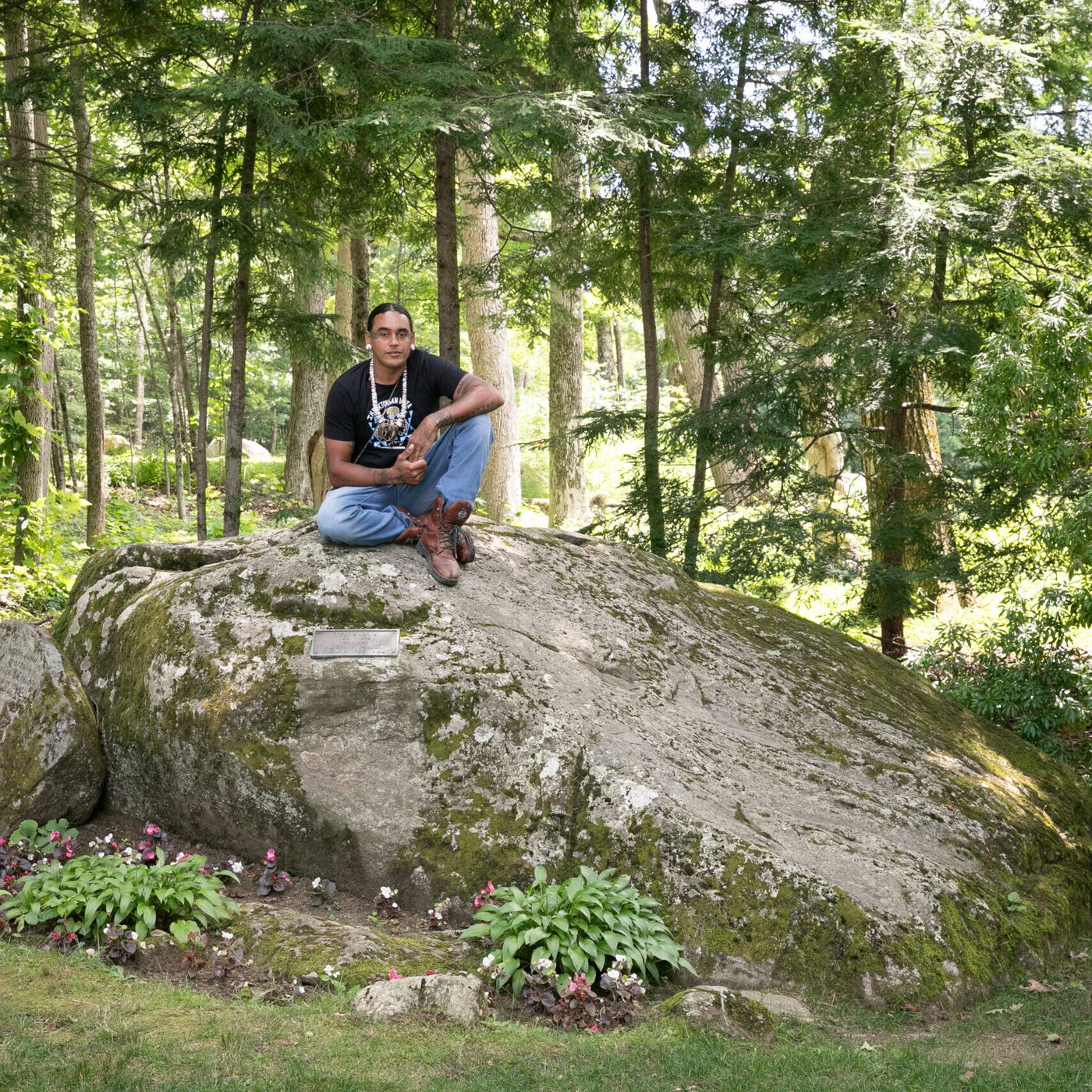
Andre StrongBearHeart Gaines Jr.
Anchoring the outdoor space of the new Doris Duke Theatre is a permanent fire pit, a circle of gathering that evokes the feeling of stepping into a homesite. Andre StrongBearHeart Gaines Jr., an Indigenous artist and citizen of the Nipmuc tribe (who are native to what is now known as Massachusetts as well as parts of Connecticut and Rhode Island), created the fire pit, connecting to the garden as well as extending into the adjacent forest land.
As a cultural steward for his people with a focus on cultural revitalization and preservation, Gaines Jr. has brought his knowledge and practices to Jacob’s Pillow prior to this commission. During Festival 2022, Gaines Jr. and Nipmuc citizen Nazario TallHairRedDeer Garate activated an Eastern Woodlands Homesite on the Pillow’s campus, which now resides in Jacob’s Garden. Gaines Jr.’s design of the fire pit for the new theater continues his efforts in revitalization and preservation, emphasizing the relationship between the water, fire, and medicines, teaching about reciprocity with the land.
“As a guest on these lands right now, even as an Indigenous person, it is an honor for me to come and do this work here in relation to the Stockbridge-Munsee,” he said. “This is Stockbridge-Munsee territory right here. Being able to do work together here with a garden and a fire pit is really so important, because what’s going to happen after this is put together could be huge for relationship-building.”
Kathi Arnold and Misty Cook
Stockbridge-Munsee members Misty Cook and Kathi Arnold draw upon powerful Indigenous inspirations in their garden that frames the Doris Duke Theatre: a powwow circle, a sacred circle of dance and music traditions, and other symbolism meaningful to the Stockbridge-Munsee community. The Stockbridge-Munsee Band of the Mohican Nation, who reside in Wisconsin, are the Indigenous group native to the land on which Jacob’s Pillow was founded.
Kathi Arnold, an advocate for environmental stewardship and an analytical chemist, designed the outside area of the garden, surrounding a circular gathering space. Her design symbolizes the many trails that the Mohican people traveled after seven forced removals from the land they inhabited.
“The Stockbridge-Munsee’s journey west through a series of forced removals is not unique to our tribe,” said Arnold, “And that will be reflected in the design along with the message of hope, strength and endurance.”
At the center of the garden is Misty Cook’s design of a gathering place for dances and ceremonies, emulating a Native American powwow circle. Cook, author of Medicine Generations, works with natural medicines of the Mohican tribe, some of which frame the gathering place at the center of the garden.
“This is such an amazing place for dancers,” said Cook, “so I started thinking about dancing and the Native American part of it: our homelands, the medicines, and that this will be a garden. I was thinking about integrating dancing into this garden too, because it’s such a big part of Jacob’s Pillow. I started drawing the garden out and creating a setting where people can gather.”
A Reimagined Doris Duke Theatre
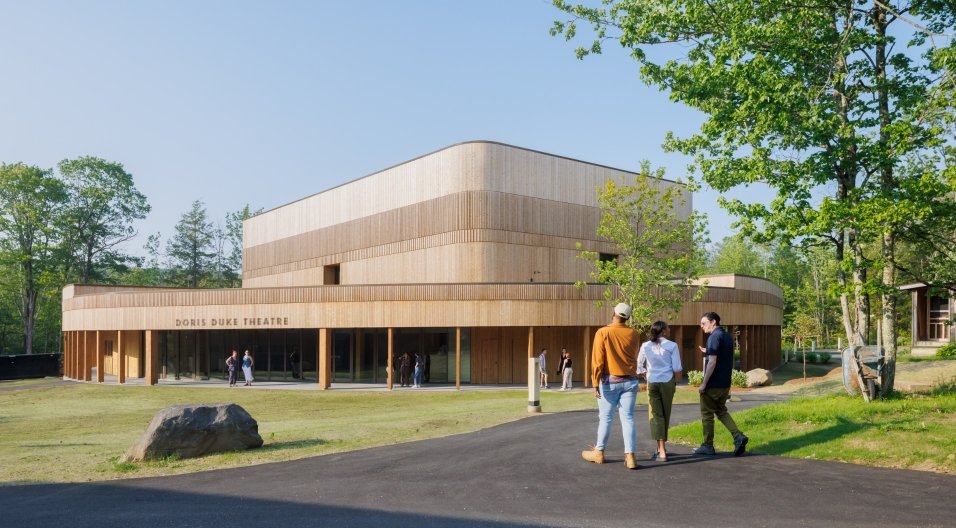
Dive into the vision behind the new theater, built and opened for artistic innovation, flexible programming, and sustainable design.
Read More Pillow Picks
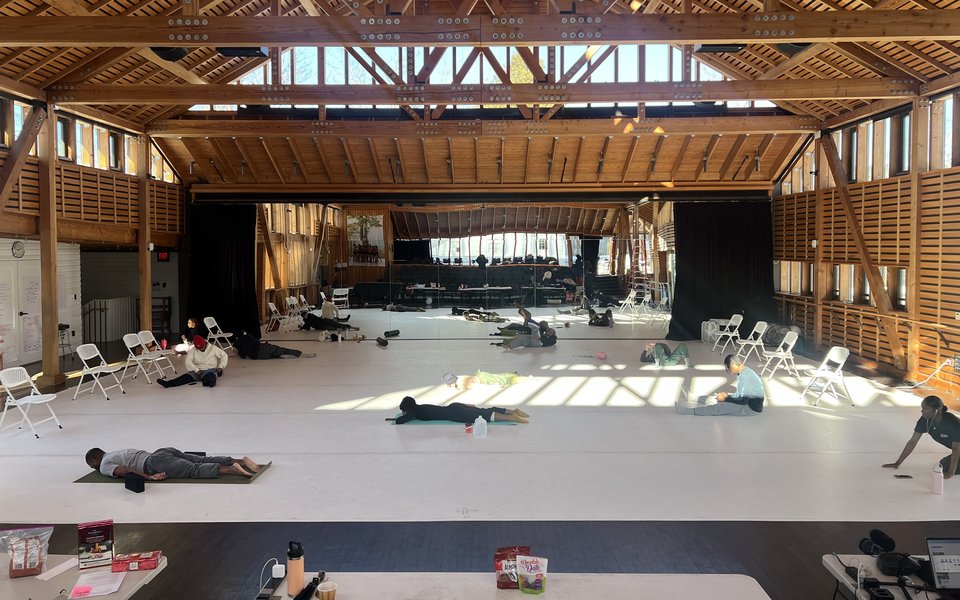
Through the Dancer’s Eyes: In the Pillow Lab with A.I.M by Kyle Abraham

Inside the Faculty Research Fellowship with Careitha Davis