How to Build a Festival
A look inside the curatorial process at Jacob's Pillow
Every year, Jacob’s Pillow becomes a summer home for dance. Audiences from across the globe and from our home in the Berkshires experience a Festival season that feels expansive and meticulously considered. Artists and audiences alike get to see a beautiful range of dance–performances by beloved companies that call the Pillow home and emerging artists making their Pillow debut. But how does a Festival season come together?
Enter: the curatorial team. Made up by a triad of curators each year, the 2026 curatorial team was led by Artistic & Executive Director Pamela Tatge, Associate Artistic Director Kim Chan, and Associate Curator Melanie George. Each curator comes with their own distinct artistic sensibilities, and together, they strike the careful balance of the Pillow’s artistic identity, personal interests, and practical factors to build a Festival that sparks curiosity and sings to authenticity.
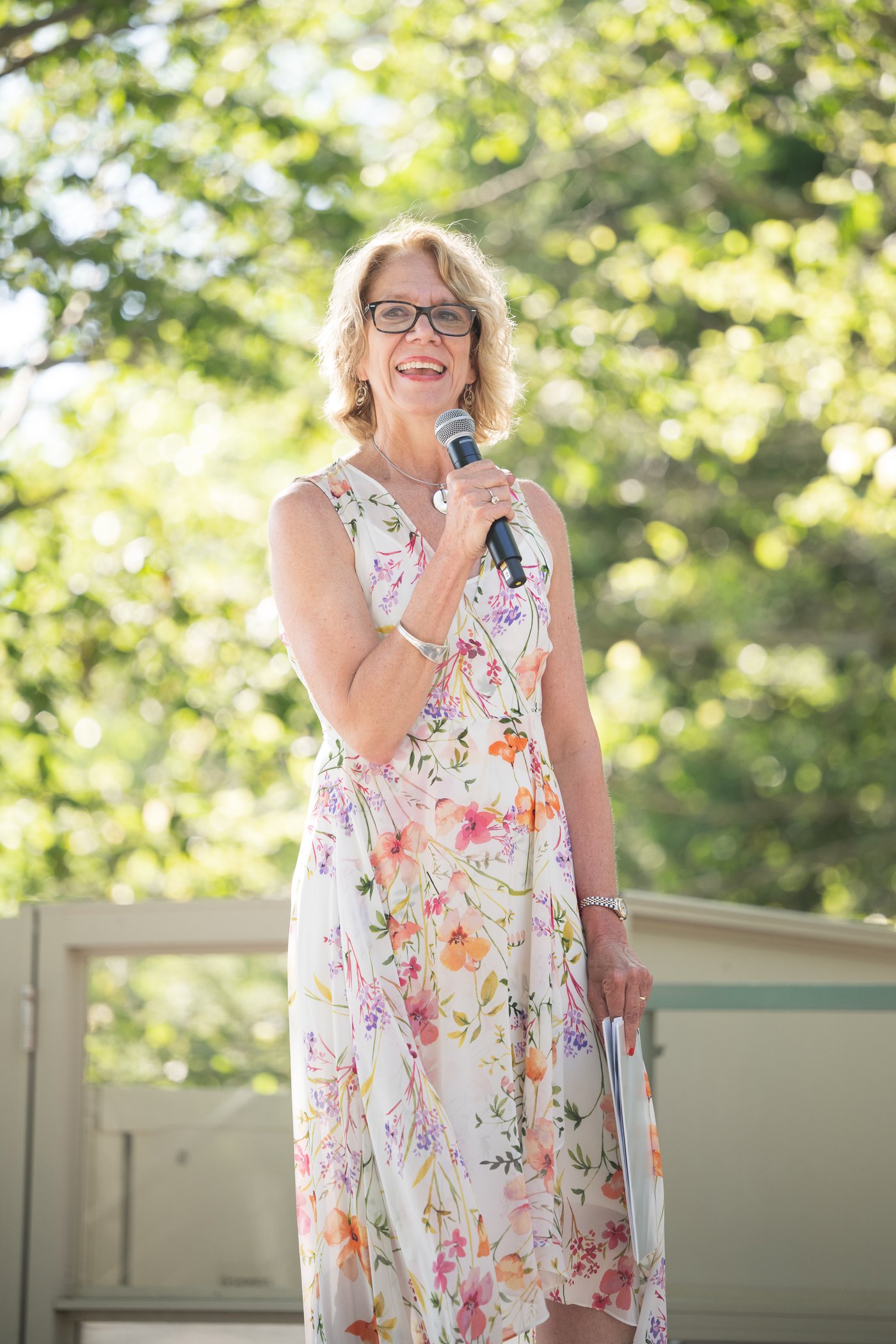
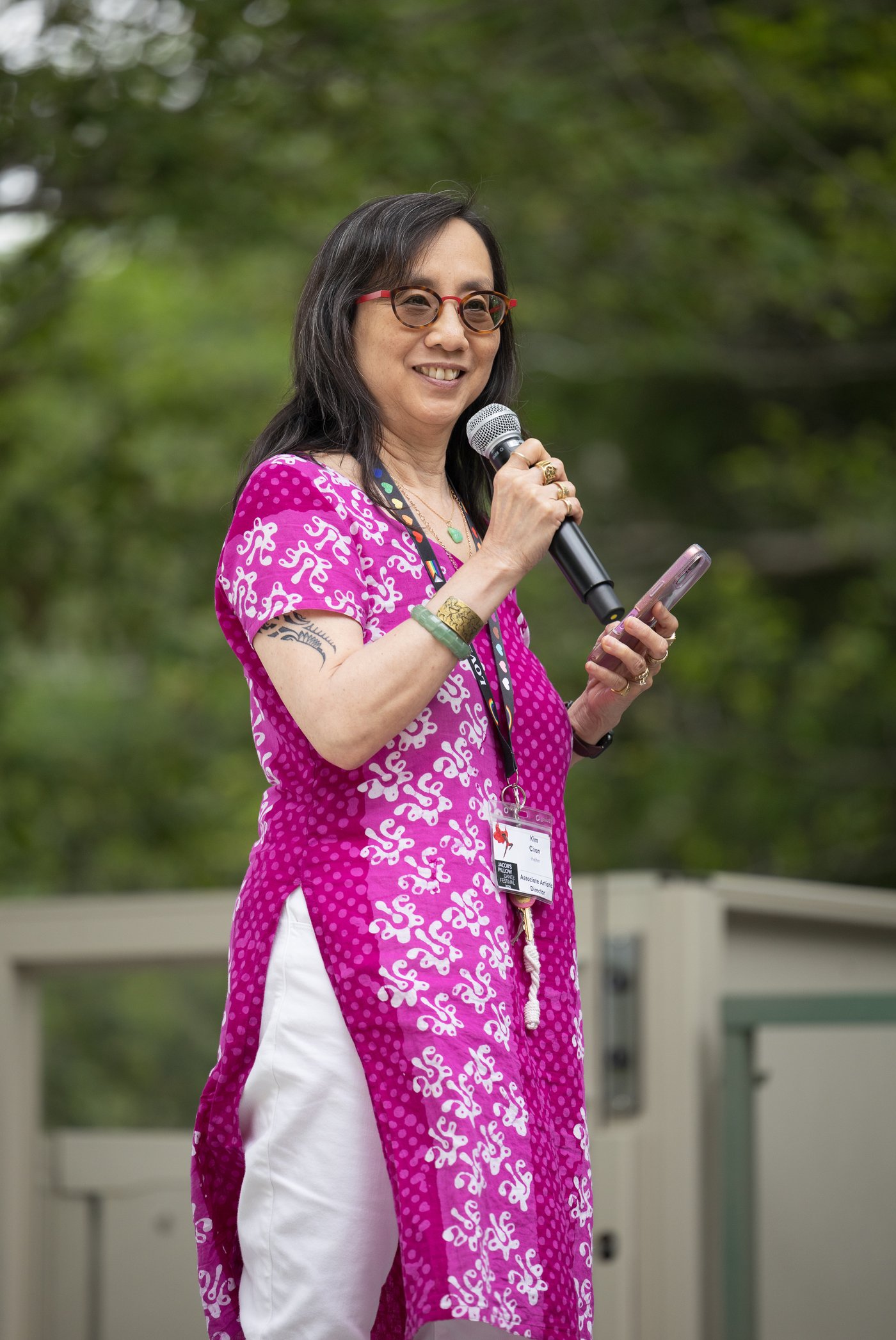
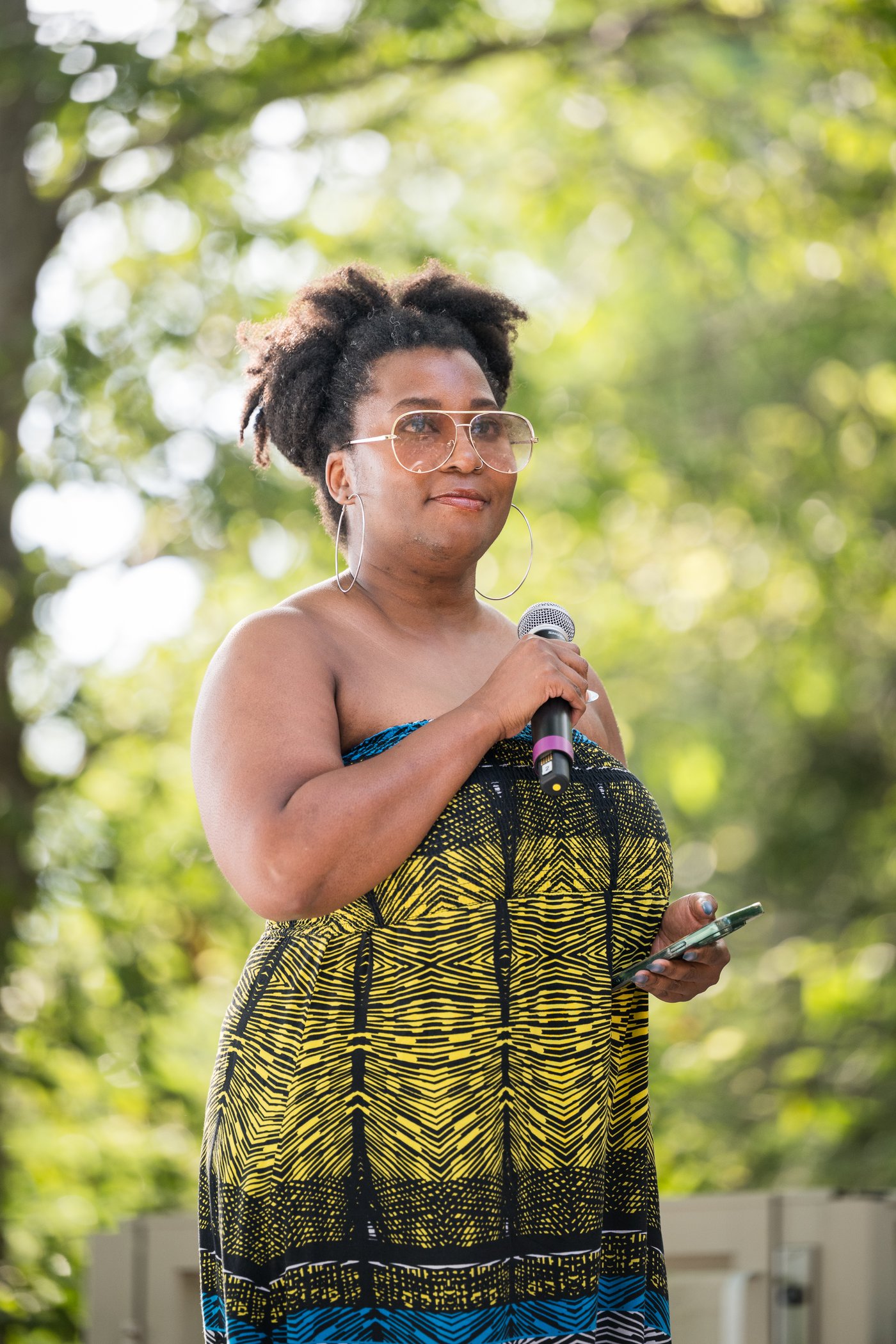
Curation at Jacob’s Pillow is an intentionally collaborative process, shaped by vision, building trust within audiences, and the realities of Pillow’s physical spaces. Since 2020, the curatorial process has been headed by a multi-person team to encourage discourse and different perspectives when making decisions, a model established by Tatge. In years prior, curation of the Festival and other programming landed almost exclusively on the Artistic & Executive Director.
“I decided it was no longer acceptable to have a sole gatekeeper at Jacob's Pillow,” Tatge said.
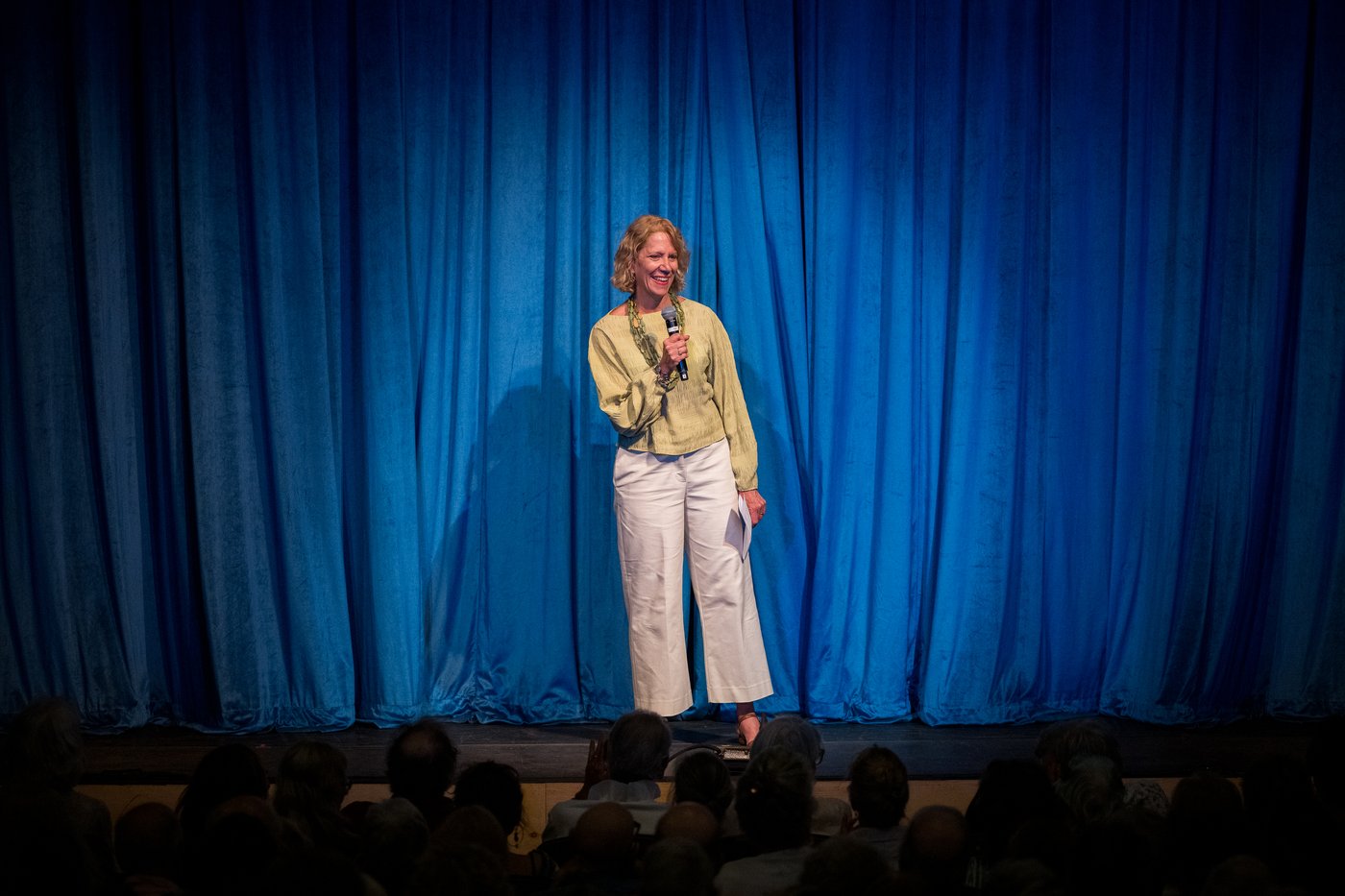
“I decided it was no longer acceptable to have a sole gatekeeper at Jacob's Pillow.”
— Pamela Tatge
The decision to establish a curatorial team was made to generate dialogue and accountability among curators. This intention was all the more important in 2020, a moment in the arts field when conversations around access and representation were being brought to the forefront of decision making.
The result was a curatorial team made up of three distinct voices. Different generations, backgrounds, and artistic lenses strengthen the season, bringing a breadth and depth of the work being presented.
“If you have three people, you have to defend your choice. By defending the choice, you reaffirm to yourself why a work is important,” Tatge said. “Each of us brought our passions… all of our lenses are different.”
“Each of us brought our passions… all of our lenses are different.”
— Pamela Tatge
This collaborative approach allows the curators to recognize not only the artists who have made Jacob’s Pillow an artistic home, but also artists from disciplines and backgrounds that aren’t represented in the Pillow’s Archives. In recent years, the Pillow has welcomed more social dance and street dance artists–like Social Tango Project in 2024, or The Center Will Not Hold: A Dorrance Dance Production in 2025.
“It's important to note that Melanie George was the Associate Curator of Festival 2026 alongside Kim and I. She became one of two inaugural Associate Curators in 2020, alongside Ali Rosa-Salas, and for five years worked to identify artists whose work should be supported in the Pillow Lab or showcased in the Festival. Both Ali and Melanie were interested in who were not represented in the Archives and in expanding the palette of whose work is shared with the world here at the Pillow,” Tatge said. “Melanie stepped down from her role in December when she was named Chair and Producing Director of the Department of Dance at Marymount Manhattan College, now Northeastern University – New York City. She is deeply knowledgeable about many genres and traditions in our field, and regularly made compelling cases for those she wanted to amplify. I relied on her creativity and good judgement and am so grateful for the time that we worked together.”
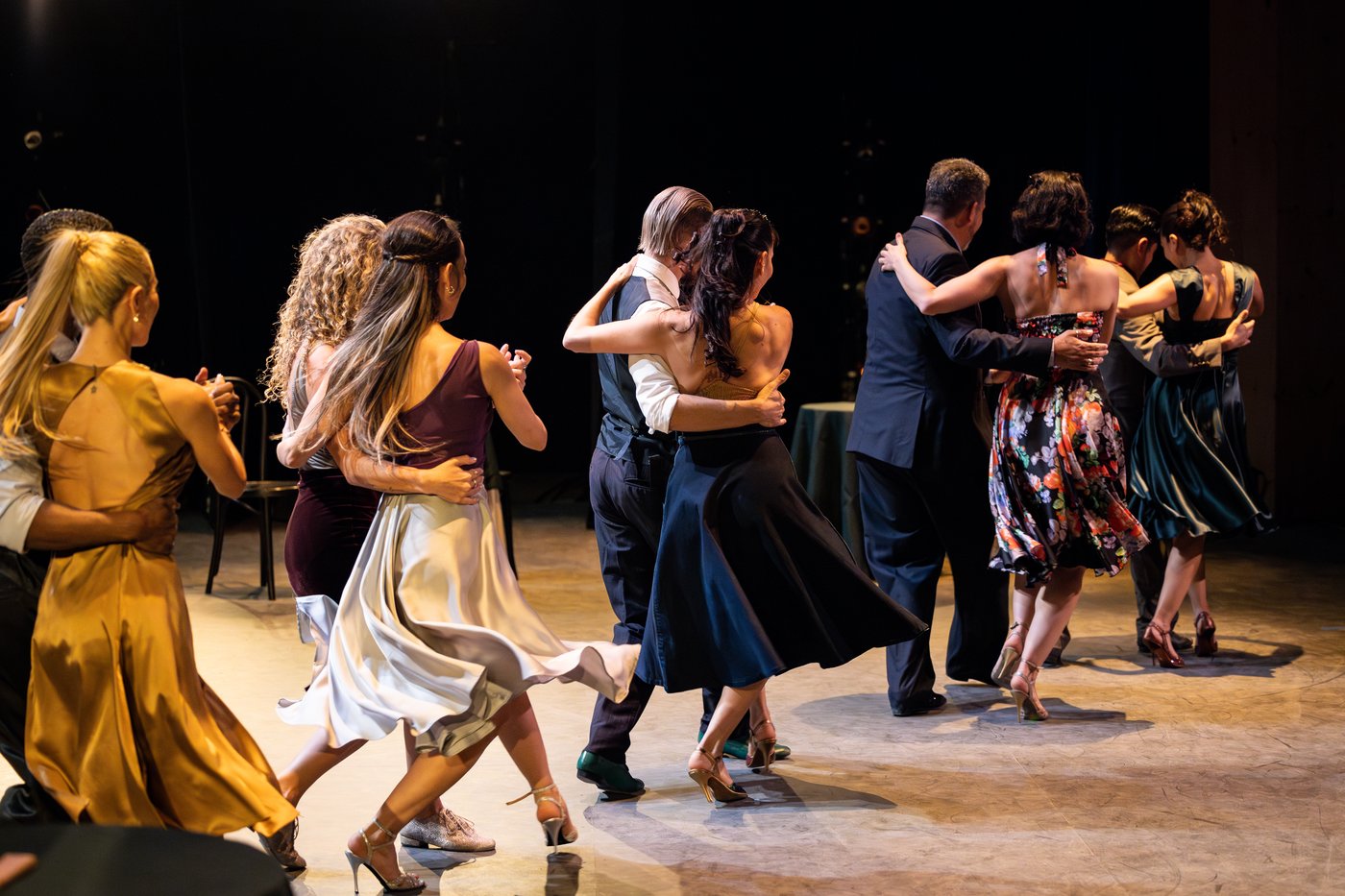
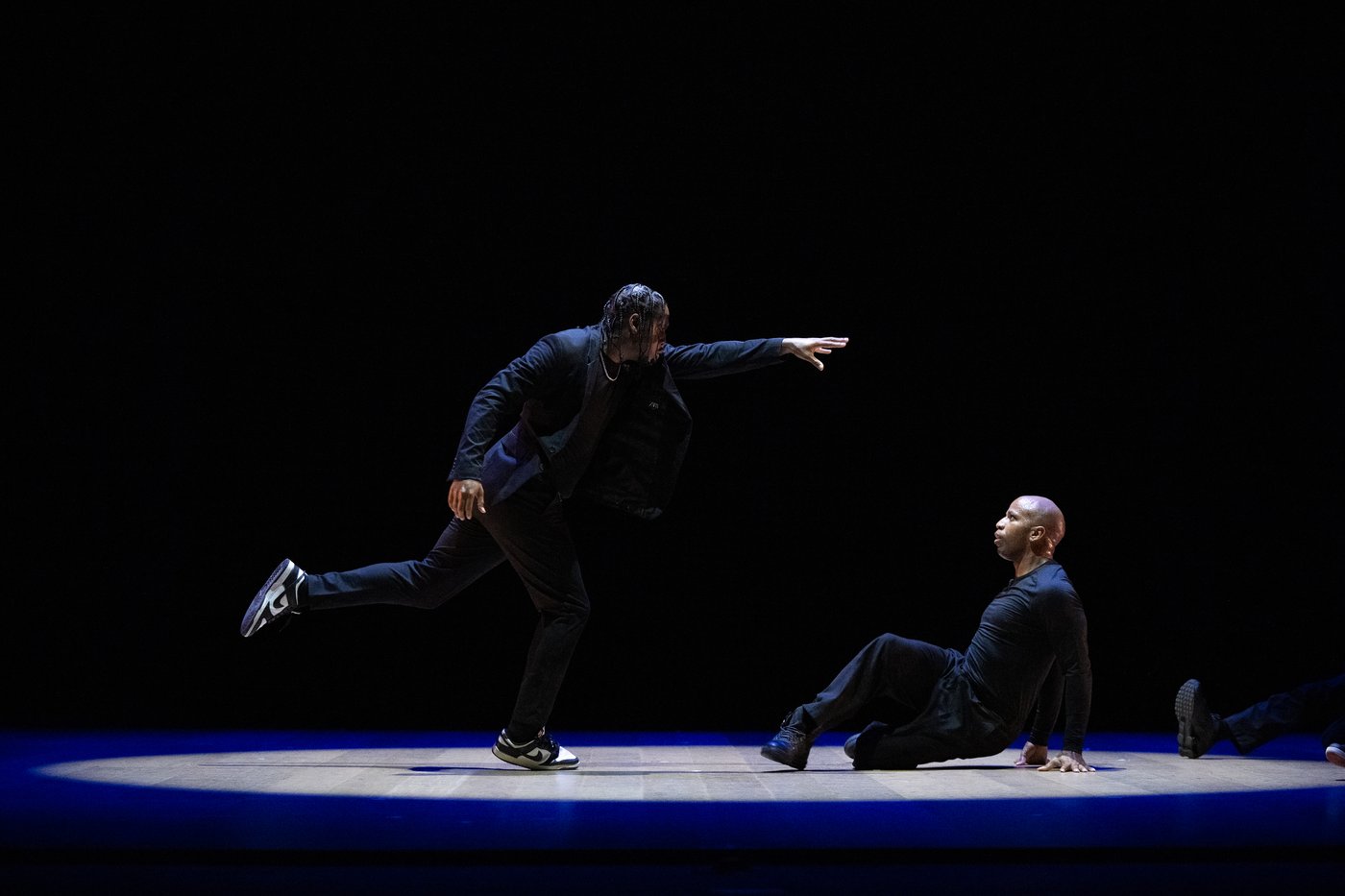
When creating a season, the curators work alongside producers and production managers to build the Festival piece by piece, asking key questions that evaluate both the work’s artistic integrity and its practicality for the Pillow’s physical realities. Sometimes, physical constraints can be a major deciding factor.
“We could love it to death, but if it can’t work in our venue… we have to let go of that thing that we love,” Chan said.
When it comes to artistic integrity, Tatge and Chan echoed that a strong, authentic artistic voice is more important than anything else. To the curators, intention and the ability to transport an audience somewhere else is what makes an artist stand out.
“When that moment of ‘I am in the presence of brilliance’ hits and they take me to a different place…I just love that,” Chan said.
“When that moment of ‘I am in the presence of brilliance’ hits and they take me to a different place…I just love that.”
— Kim Chan
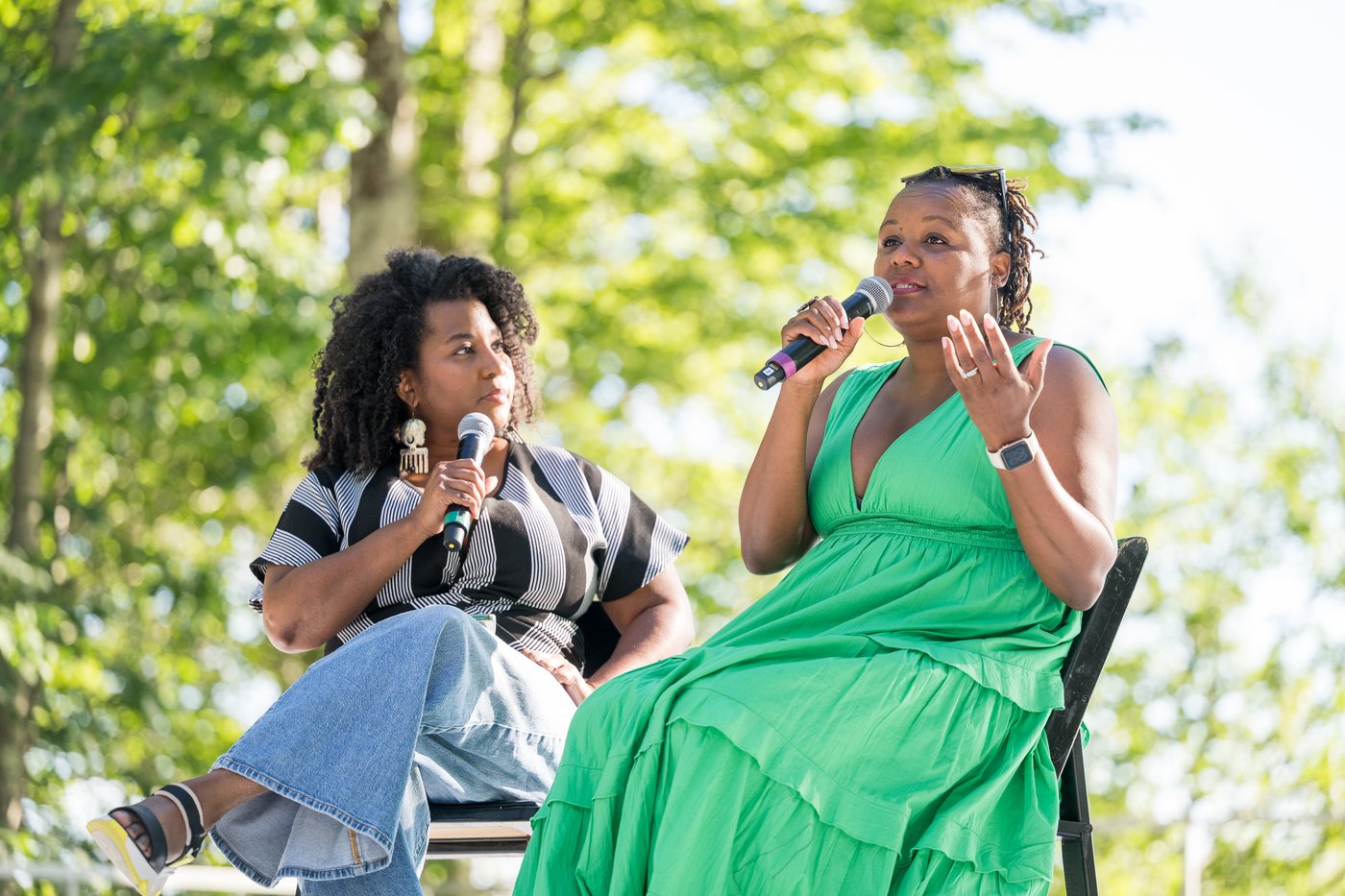
In the process of creating a season, the curators look for work that moves them. They also balance between emerging and established artists, returning companies and artists who have never stepped foot on the Pillow’s grounds before. They seek to represent a range of genres and artists from all over the world while amplifying BIPOC, LGBTQIA+, and women artists.
With every curatorial decision made, the curators seek to inspire curiosity in both existing and future audiences, inviting them to dive deeper into dance and develop a meaningful appreciation for the artform. Intentional curation is key to not only retaining loyal audience members, but also reaching those who have never come to see a performance at Jacob’s Pillow.
“Who are the audiences that we have, and what is the right fit for the audience we want to engage?” Chan said. “Is the audience we want to engage an audience we already have, or is it a totally new audience that we need to work toward?”
For Chan and Tatge, cultivating curiosity, and building the trust to follow it, is key to both artistic and audience development.
“Part of our responsibility is to build a certain level of curatorial trust within our audience so that they will journey with us to see companies they’ve never heard of before,” Tatge said.
Underlying every curatorial decision is the goal that audiences will leave the Pillow differently than how they arrived. The best outcome of a Festival season isn’t that every person will love every performance–it’s that they aren’t indifferent to what they’ve seen. They leave changed, challenged, or curious enough to come back.
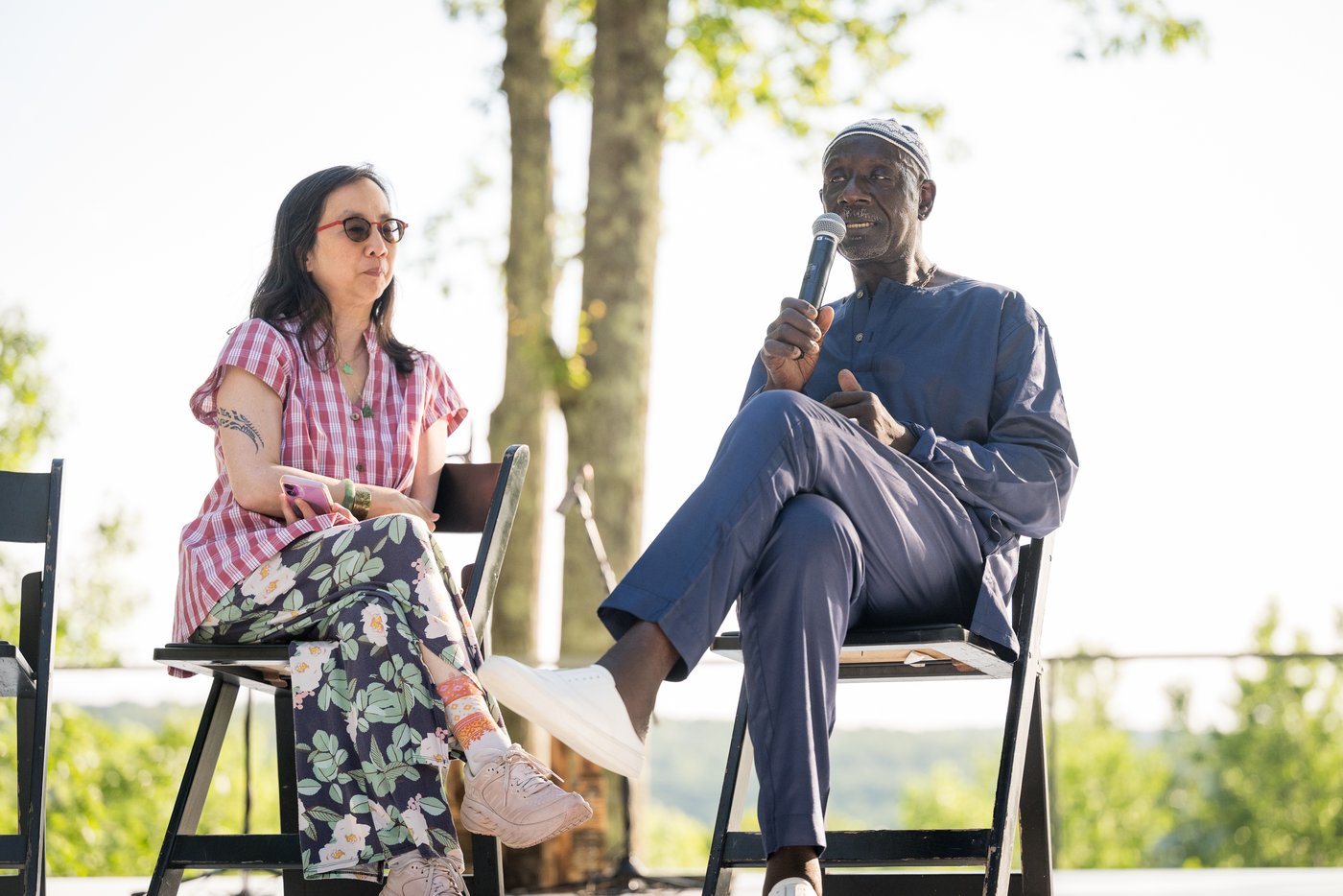
This Pillow Pick was written by Lucy Kudlinski and published on July 24, 2026.
Read More Pillow Picks
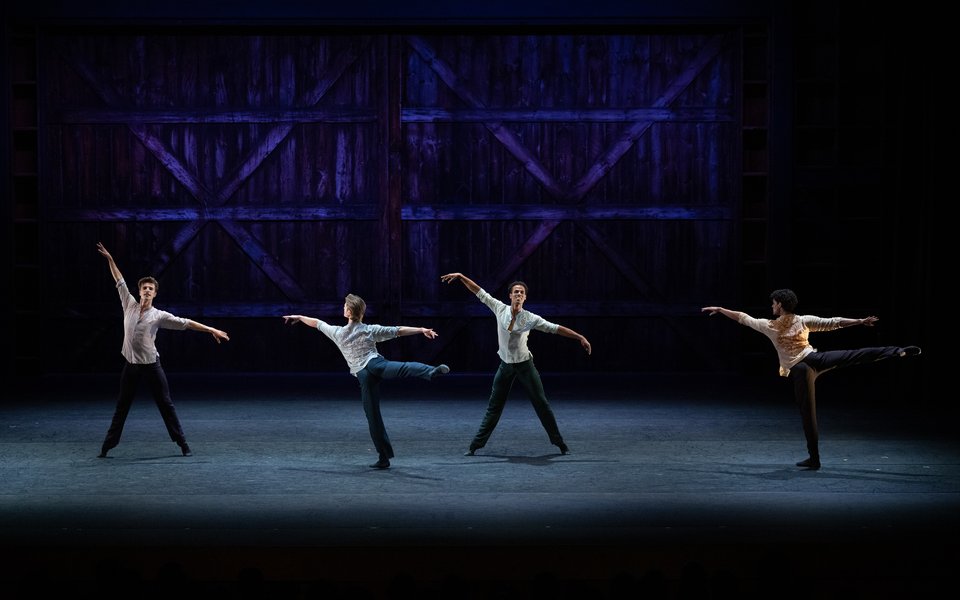
How to Build a Festival
Every year, audiences experience a Festival at Jacob's Pillow that feels expansive and meticulously considered. But how does a Festival season come together?
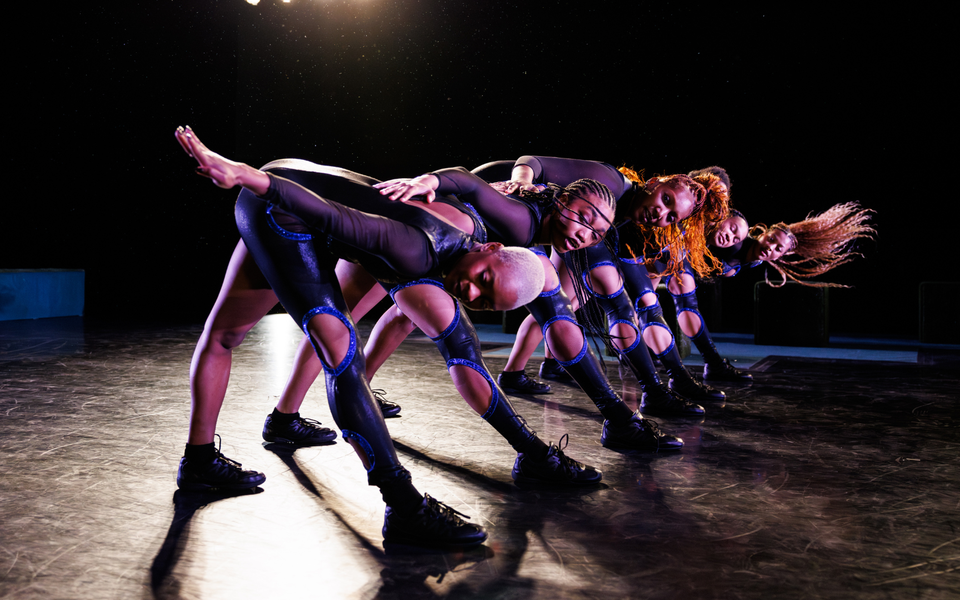
Ogemdi Ude on commanding energy and effort in "MAJOR"
Ogemdi Ude’s "MAJOR" explores the physicality, history, and politics of majorette dance. We spoke with Ude about the work, diving into how collaborators have revisited their past selves and formed connections with majorette dancers today.
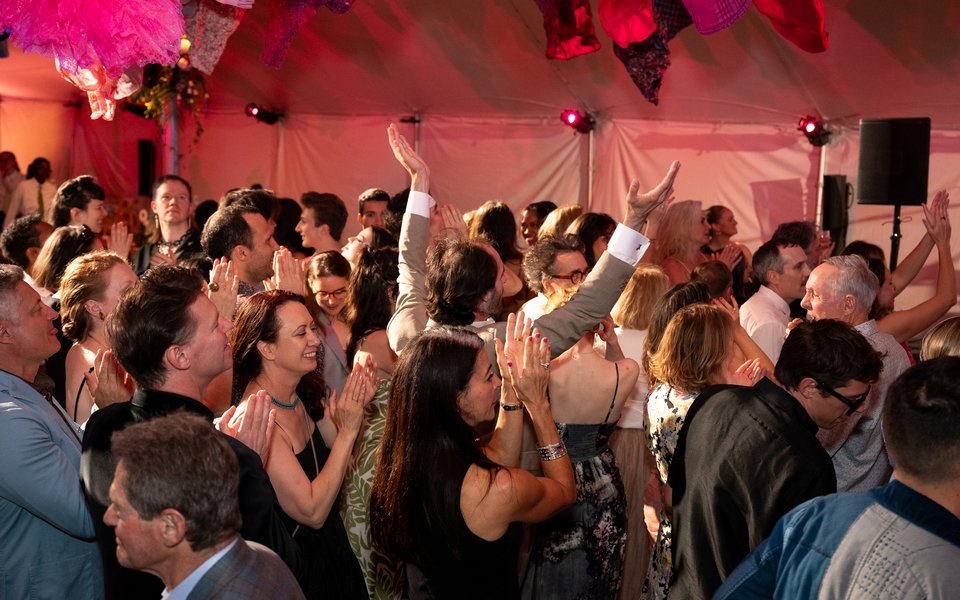
Behind the Magic: Moments of Connection at the 2026 Season Opening Gala
Read an intern's experience of the 2026 Season Opening Gala, featuring performances, lively crowds, and unforgettable moments that give Jacob's Pillow its magic.