What's Blooming in Festival 2026
Spring is here, and blossoms are blooming at Jacob's Pillow! To celebrate the beginning of spring, we asked select Festival 2026 artists to plant something in our digital 'artist garden' which represents the work they will perform this summer.
Read this new blog post to dig into what's growing in the artist garden, and learn more about what you'll see this summer at the Pillow!
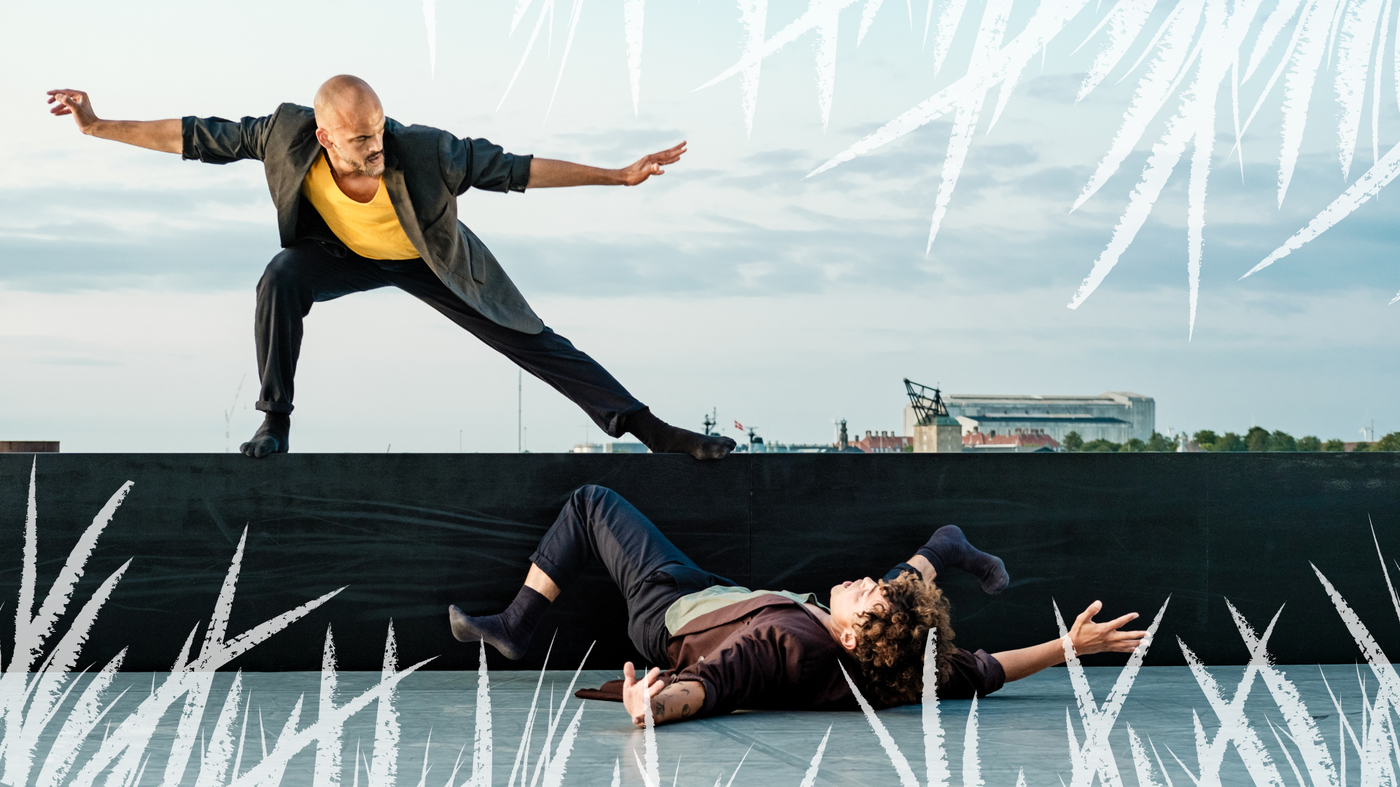
Uppercut Dance Theater: Weeds
June 25–26 | Henry J. Leir Stage
In their U.S. debut, Denmark's Uppercut Dance Theater presents BENCHED, a dynamic and brutally honest tale about life's big—and very small—questions.
“Uppercut Dance Theater is one of the longest running contemporary dance companies in Denmark. Founded by American Cher Geurtze in Copenhagen in 1982, Uppercut offered new impulses that gradually found its way to all of Denmark. But having a big outreach and broad audience hasn't necessarily made way for Uppercut on an institutional level. Nothing gets handed to you in the world of performing arts–no gardener, landscaper or fertilizer will care for your growth unless you absolutely demand it. Therefore we find ourselves in many ways identifying with weeds–a plant growing where it is not convenient, specifically competing with crops, gardens, or lawns for nutrients, light, and water.”
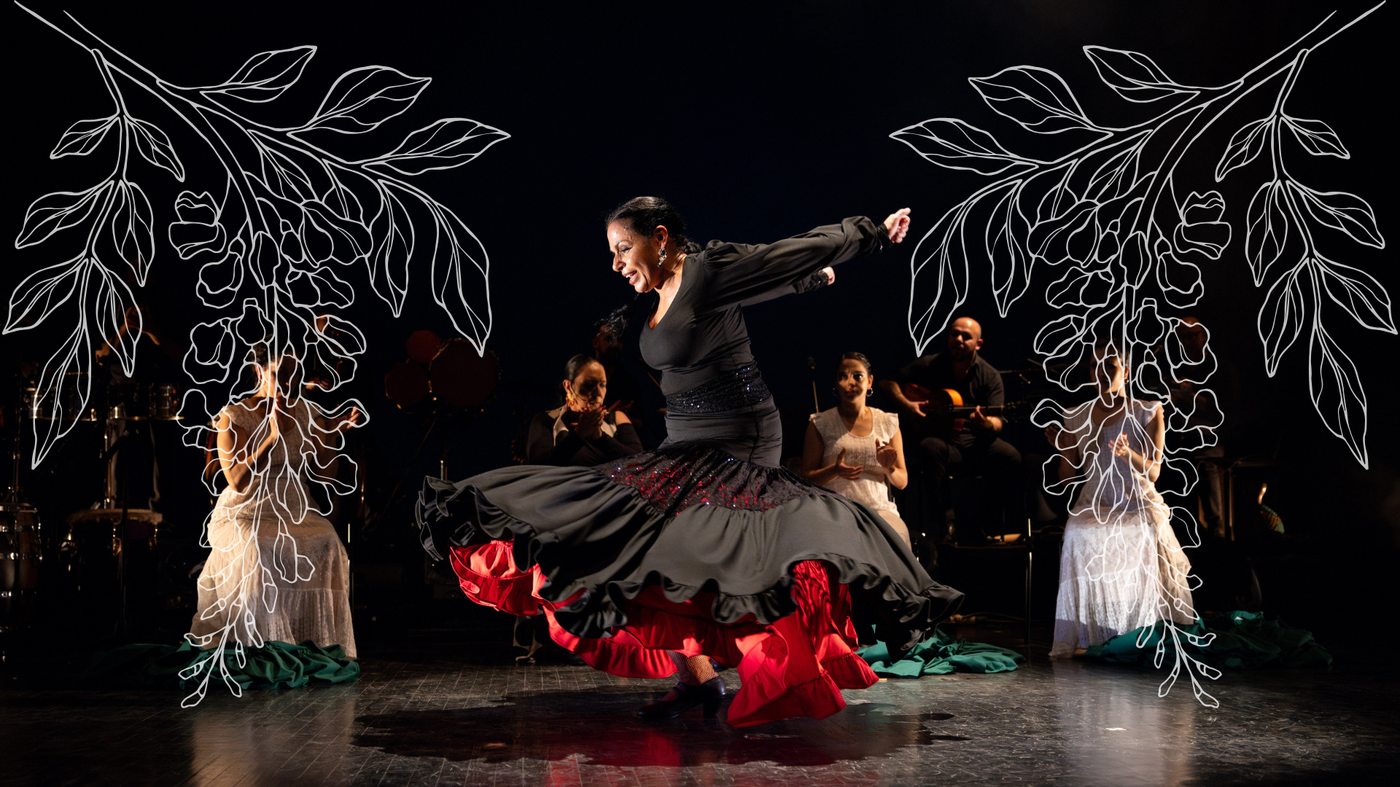
Compañía Nélida Tirado Flamenco: Wisteria
July 2 | Henry J. Leir Stage
Hailed by The New York Times as “magnificent” and "utterly compelling," flamenco dancer Nélida Tirado is internationally recognized for her intensity, natural grace, and powerful style.
“I have chosen the Wisteria flower because it best mirrors the work I will present at the Pillow this Summer–Tierra, Aire y Compás. The wisteria flower shows the visible duality of gravity and surrender. A climbing vine that doesn't stand alone, thickly rooted in the earth, constantly reaching, not fully earth nor sky. Its flowers are soft, cascading but weightless and suspended, holding a threshold space between earth and sky. Because the plant grows for many decades and continues to bloom even in challenging conditions, it is often connected to ideas of endurance, persistence, and the ability to keep growing, strengthening, becoming, only to rise and surrender. Just as is Flamenco.”
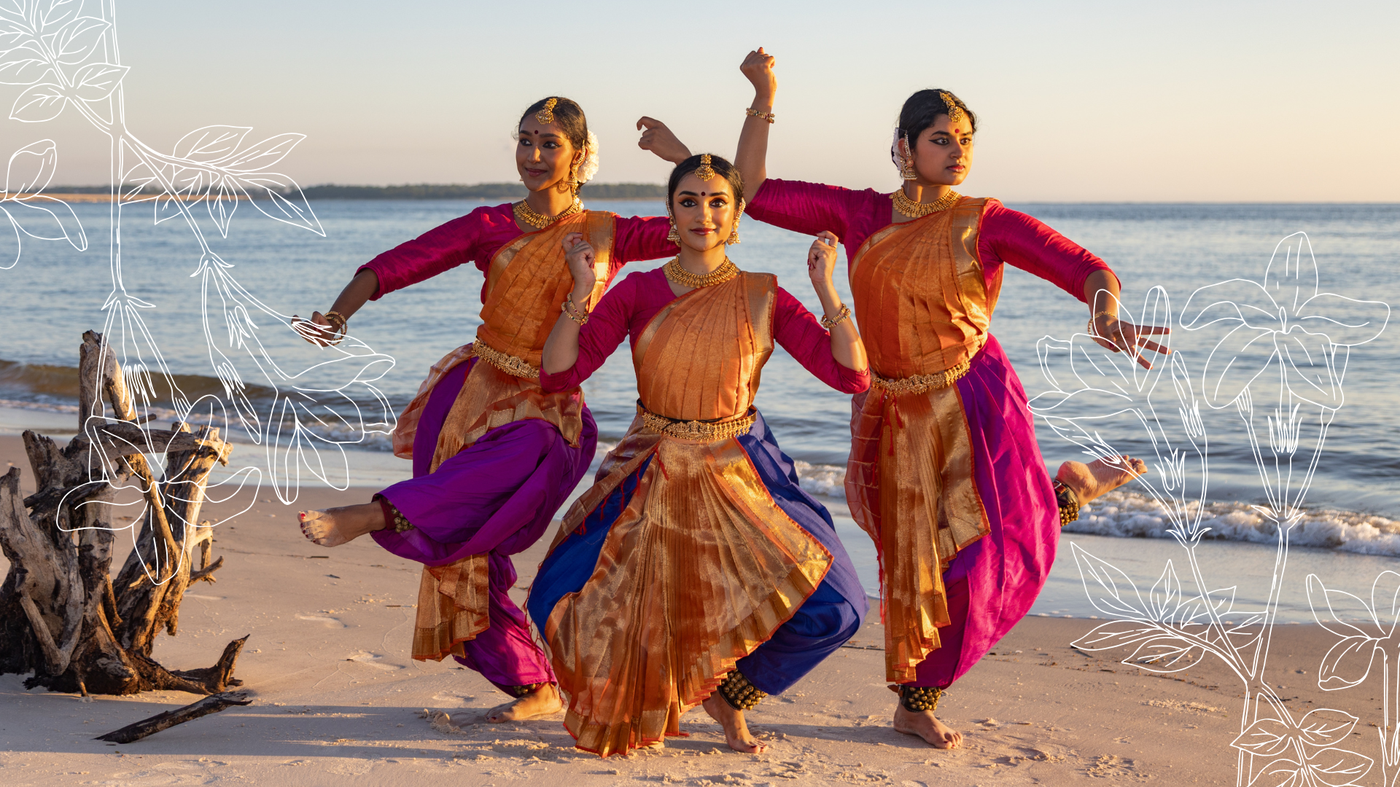
Anubhava Dance Company: Night-Blooming Jasmine
July 4 | Henry J. Leir Stage
Based in Boston, Anubhava Dance Company is a Bharatanatyam ensemble that champions Indian classical dance as a living, evolving art form.
“Releasing its fragrance for a few fleeting hours in the quiet of night, night-blooming jasmine reveals its presence in the uncertainty of darkness rather than the certainty of daylight. Its soft, lingering scent suggests that transformation is not always seen, but can be felt, emerging within moments of uncertainty. Our production Anatomy of Fear explores this journey—finding not an escape from fear, but the transformation within it—where moments of doubt give way to clarity, faith, and a deeper sense of self.”
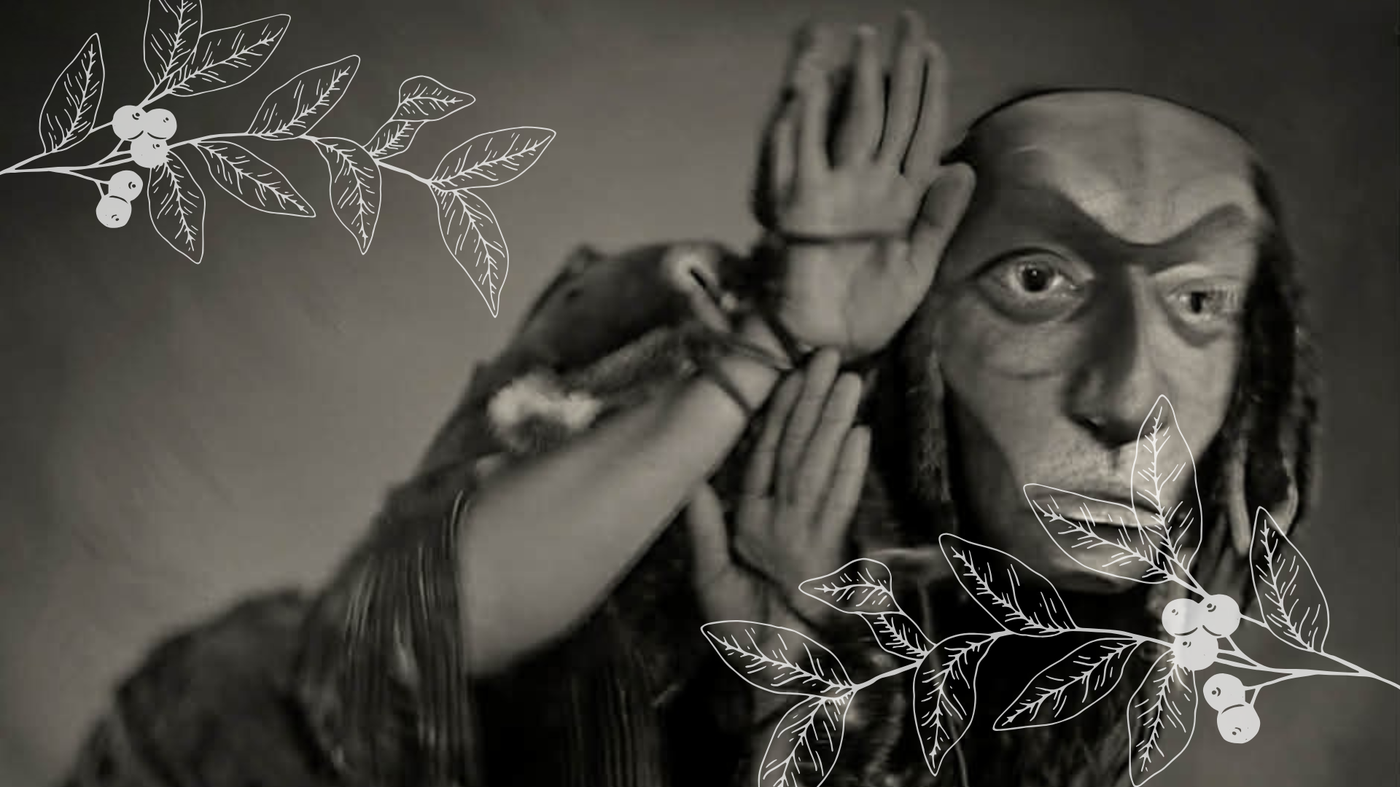
Acosia Red Elk: Wiwnu (huckleberry)
July 9 | Henry J. Leir Stage
A world champion Jingle Dancer, Acosia Red Elk returns to perform an evening-length work featuring Native violinist Geneviève Gros-Louis.
“Wiwnu (huckleberry) is a sacred food to the Umatilla Tribe, where Acosia comes from. Huckleberry is a cousin to Blueberry which is a sacred food to the Huran-Wendat Nation, where Genevieve comes from. Stories tell of a time long ago when our Ancestors shared these berry bushes with whole families of Sasquatch.”
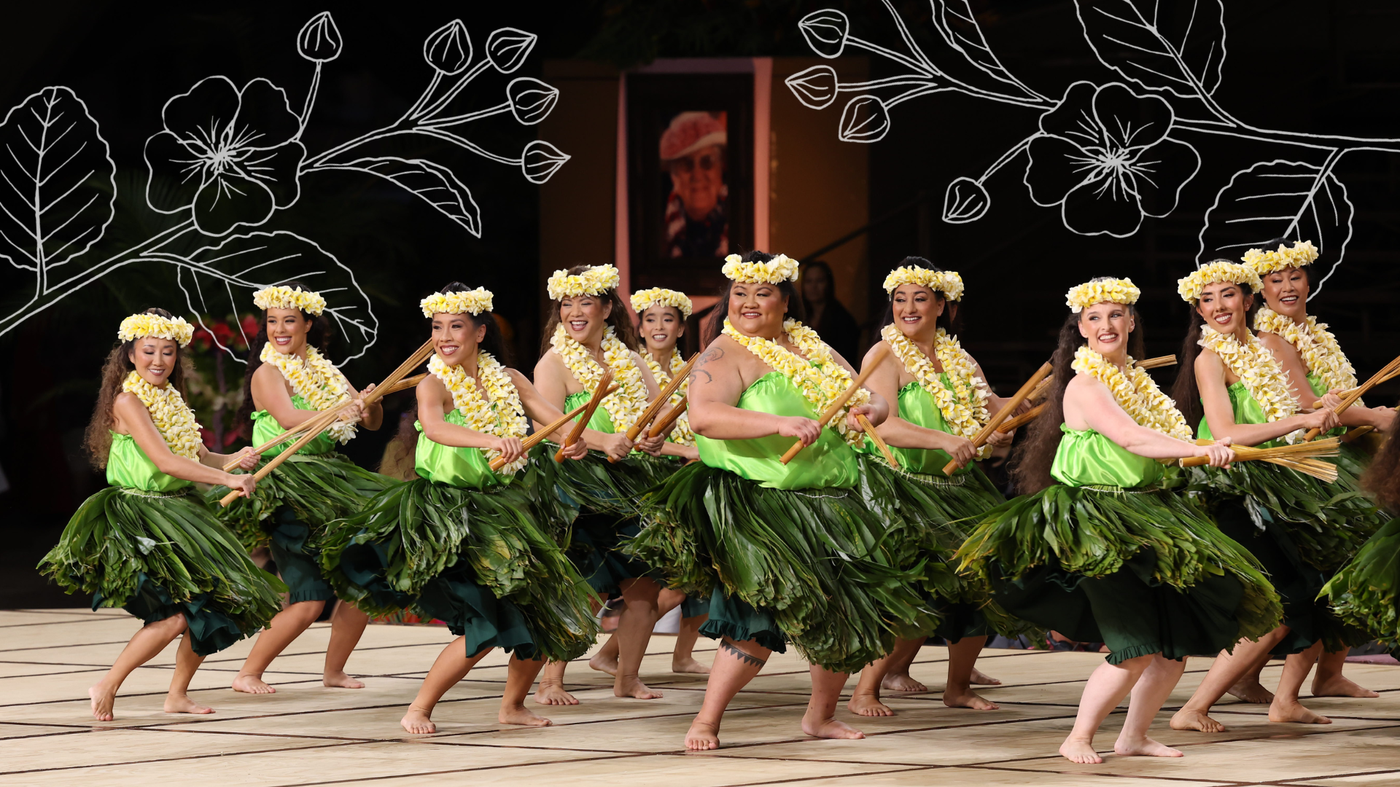
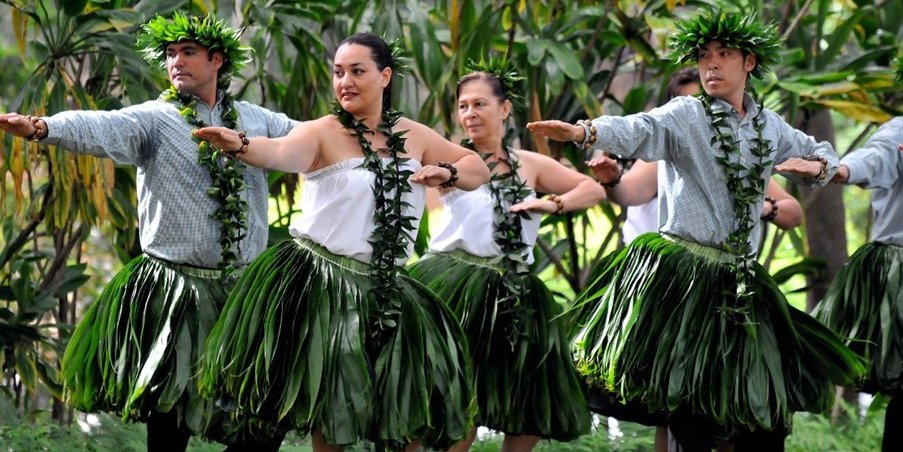
Pua Ali‘l ‘llima: ‘Ilima (Sida Fallax)
July 10 | Henry J. Leir Stage
Pua Ali'i 'Ilima returns to the Henry J. Leir Stage for the first time since 2012. The mission of this hālau hula (school of Hawaiian dance) is to preserve and perpetuate Native Hawaiian arts and cultural traditions for future generations.
“The ‘Ilima is an indigenous plant to Hawai’i and the namesake of Pua Ali’I ‘Ilima. An earthly manifestation (kinolau) of Kāne (god of sunlight, fresh water, and creativity) and Laka (the goddess of hula), the ‘ilima is used for lei, medicine, and serves as the official flower of the island of O’ahu. As our hālau hula performs each mele (song), we invite the audience to journey through the Hawaiian archipelago, visiting each island and its unique ʻāina (land).
“Ola ka ‘ilima i ke aloha” (The ‘ilima blossom thrives in Aloha).””
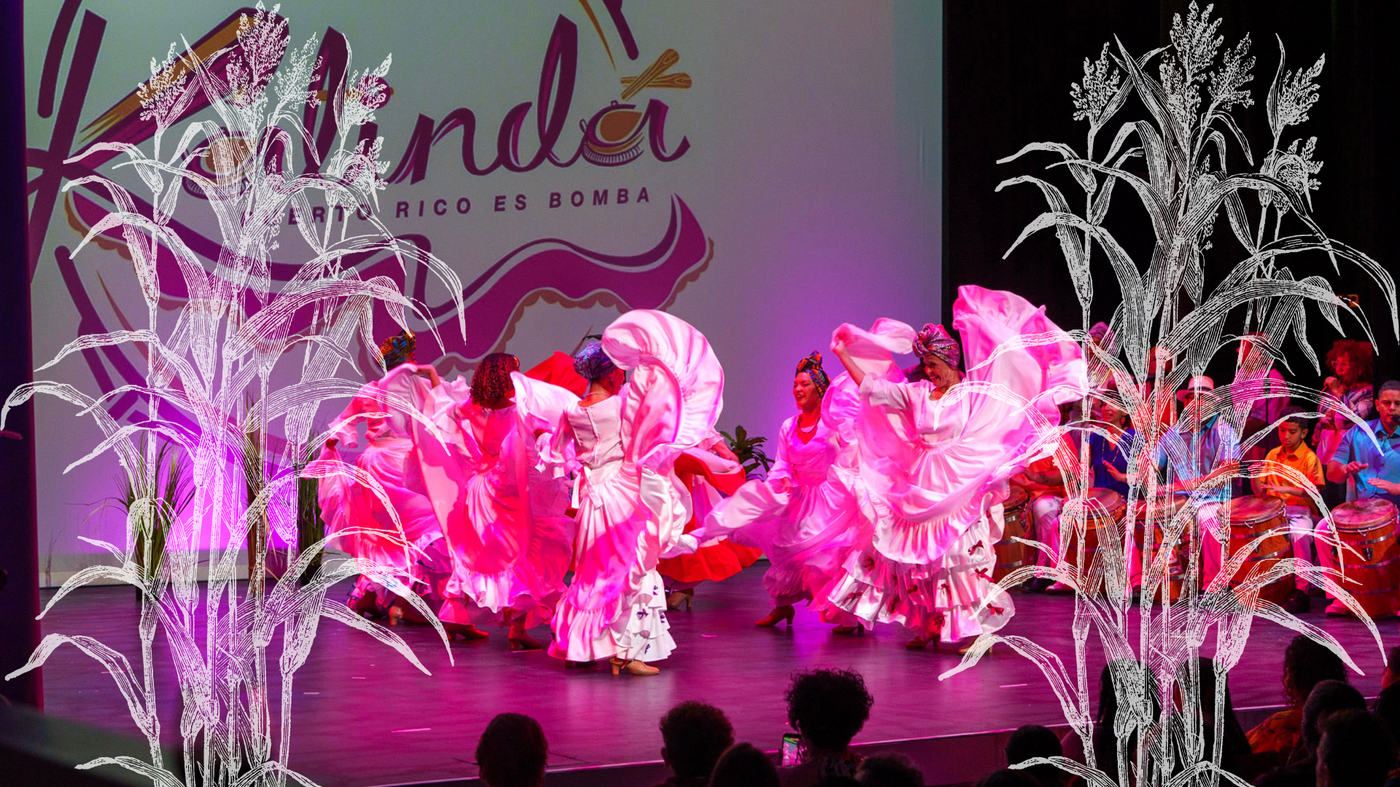
Kalindá: Sugar Cane
July 23 | Henry J. Leir Stage
Kalindá is a professional live music and dance ensemble that performs bomba, Puerto Rico’s oldest musical tradition.
“Kalindá selected sugar cane because it represents the foundation of our production, Zafra, and the historical roots of Afro-Puerto Rican Bomba in Puerto Rico. It symbolizes the labor, resilience, and cultural strength of our enslaved ancestors, whose experiences in the sugar cane fields gave rise to Bomba as a form of expression and resistance. Through this symbol, we honor their legacy and continue to share their stories through our music and dance.”
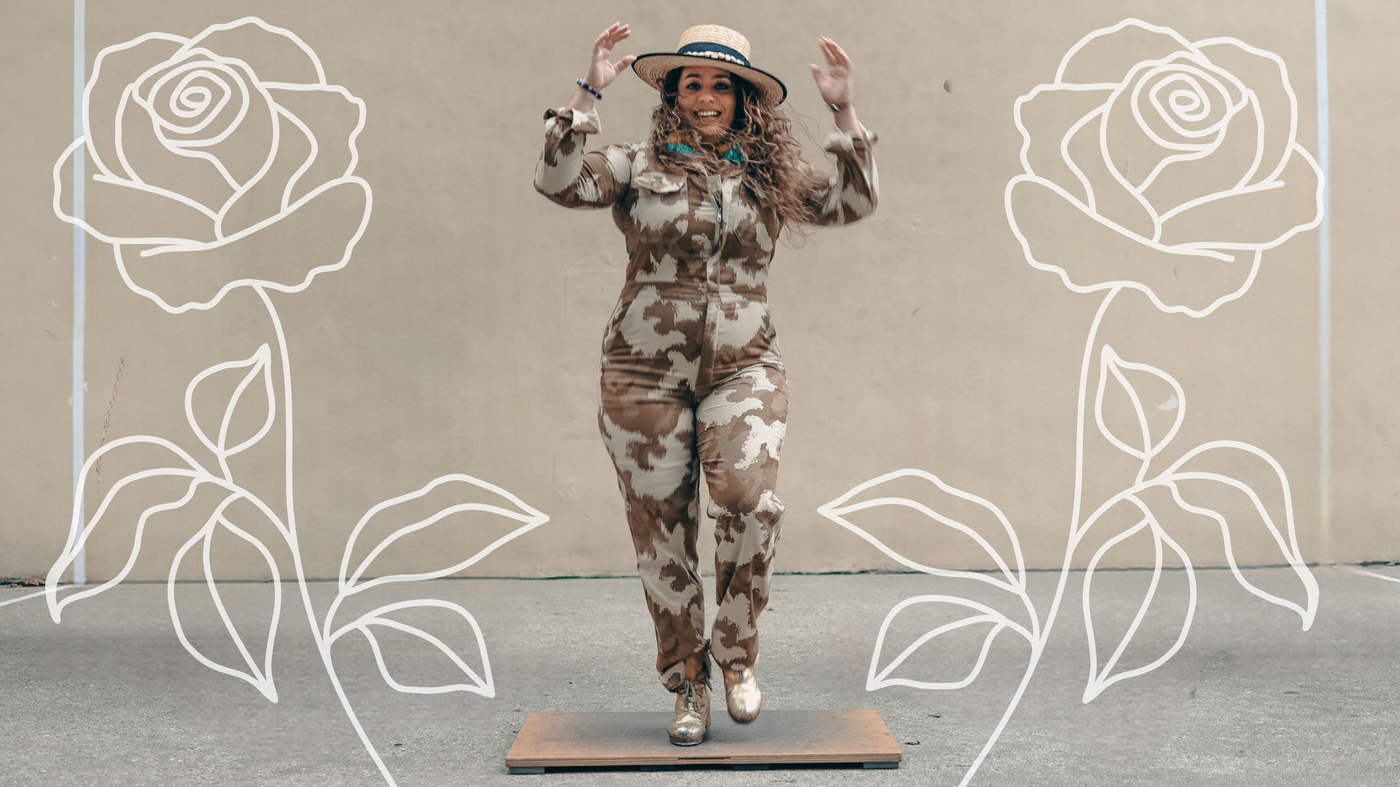
Michela Marino Lerman: Rose
July 16–17 | Henry J. Leir Stage
Award-winning tap dancer Michela Marino Lerman leads an ensemble of tap dancers and musicians in Steppin’ with "The Kid": A Celebration of Betty Carter, honoring the iconic vocalist and one of Lerman's greatest inspirations, Betty Carter.
“For this summer at Jacob’s Pillow, I return to the rose—familiar, yet endlessly profound. My grandmother, Theresa, had a rose bush that arched over a trellis in her backyard, and though my time with her was brief, I remember being captivated by its quiet magic—the softness of the petals alongside the sharp, protective thorns. Even then, I felt something profound in that duality. Roses have continued to appear in my life as spiritual symbols, especially through my connection to Saint Theresa—sharing the name of both my grandmother and my mother, Theresa—who is said to send them as signs of presence and grace, something I experienced deeply during a difficult chapter of my life. Yellow roses hold special meaning as well, as the official flower of the Copasetics, the legendary tap dance fraternity devoted to preserving and honoring the art form—a lineage I’m honored to be part of as its only female lifetime honorary member.
In the piece I’ll be presenting at Jacob’s Pillow, Steppin’ with the Kid: A Celebration of Betty Carter, I find myself returning to the rose as a guiding metaphor; I think of Betty Carter as a rose blooming boldly among thorns, her brilliance and resilience cutting through a male-dominated jazz landscape with unmistakable beauty and force.”
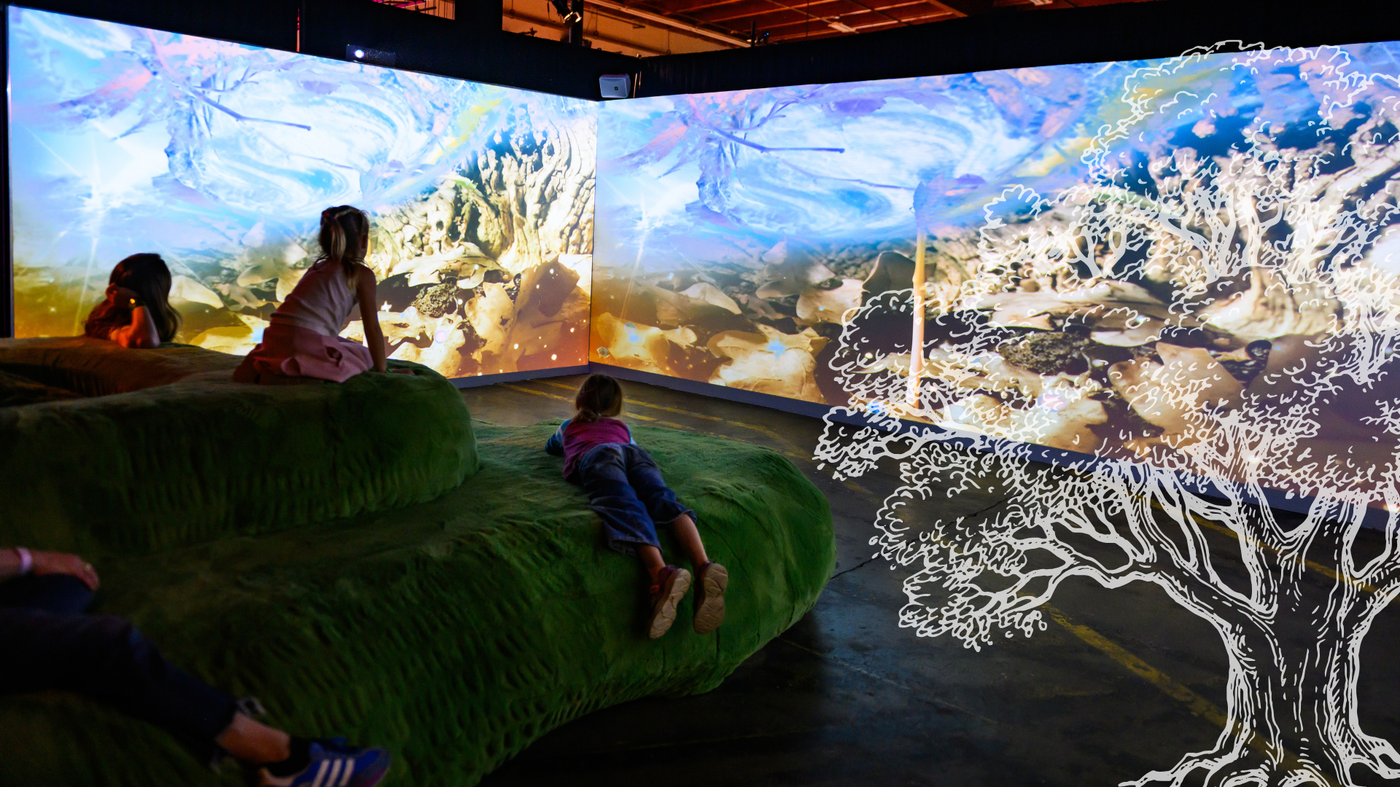
d. Sabela grimes and Meena Murugesan: California Oak Trees
Exhibit open June 24 – August 23 | Doris Duke Theatre Gallery
"Parable of Portals: The Acorn Archives" is an artist installation and part of an ongoing transmedia “performance constellation” developed in long-term collaboration between d. Sabela grimes and Meena Murugesan. This work integrates dance, sound, video, sculpture, and emerging technologies to explore the prophetic insights of the Parable series by Black science fiction author Octavia E. Butler.
"California oak trees have been central to our work over the past decade as we’ve developed Parable of Portals, an ongoing multimedia series inspired by Octavia E. Butler’s Parable of the Sower, which began while we were living in Pasadena. In the novel, acorns symbolize renewal and survival within a landscape shaped by loss, serving as both sustenance and a ritual of regeneration when survivors plant them to transform scorched earth into a sanctuary. The community names their settlement Acorn to honor this cycle of life emerging from death, reflecting the EarthSeed belief in adapting to change.
In 2025, as part of our EarthSeed Frequency exhibit within the Parable of Portals constellation in Pasadena, we gathered acorns and oak leaves from the home of friends in Altadena. Meena used them to create a tannin-rich natural dye for textiles, while Sabela choreographed a performance in which acorns were shared with the audience. A week later, our friends’ home was lost in the Eaton Canyon fires, and the acorn’s symbolism of survival and renewal now resonates with us more deeply than ever."
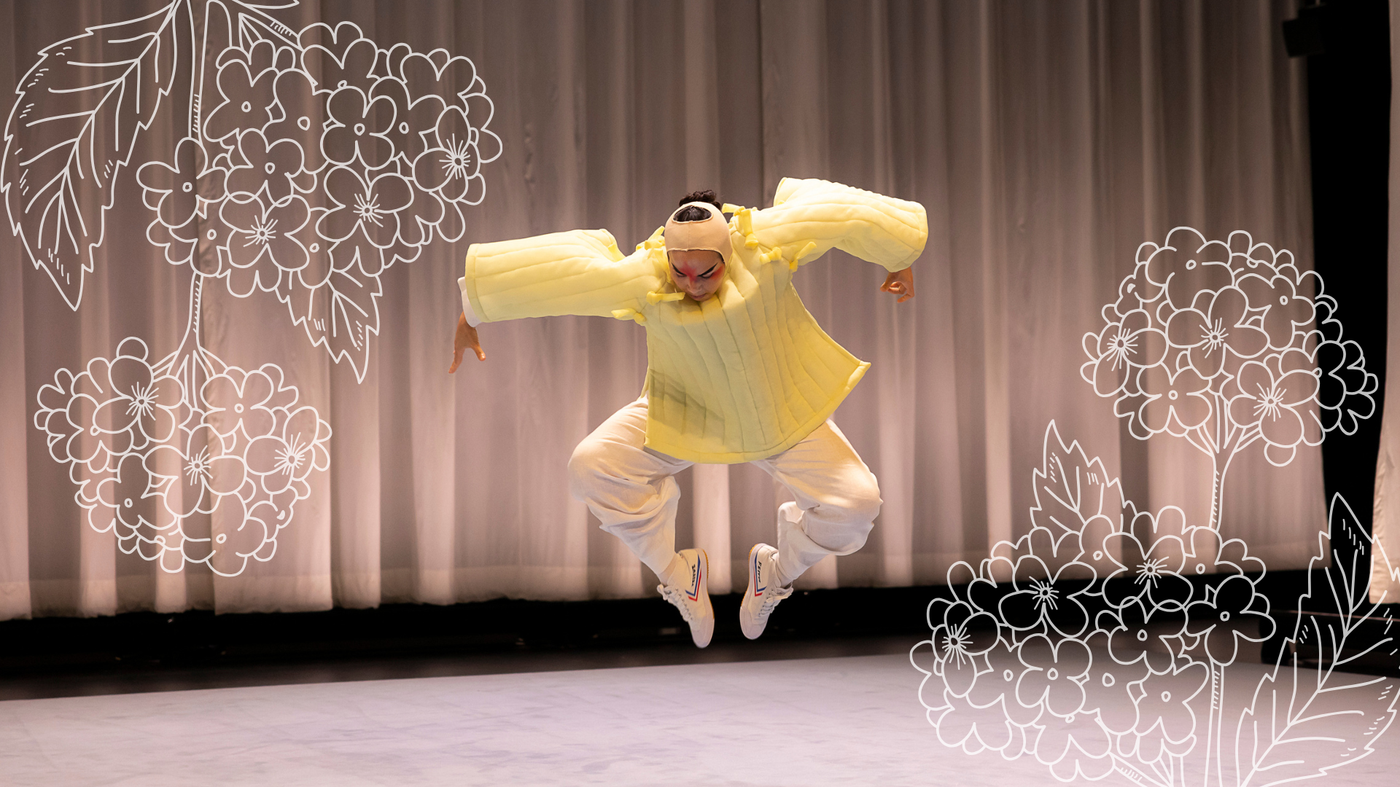
Benjamin Akio Kimitch: Hydrangeas
July 25 | Henry J. Leir Stage
In Kimitch's Tiger Hands, Peking opera technique becomes a channel for reconnection, transformation, and personal expression, drawing on the experimental energy that birthed this artform.
“I immediately think of hydrangeas. My bachan had bushes of them growing at her house in Minnesota. I stayed at her house every Sunday while my mom went to taiko practice. The flowers always bring up memories of Japanese soap operas on VHS, shag carpet, and stealing senbei from the cupboard.”
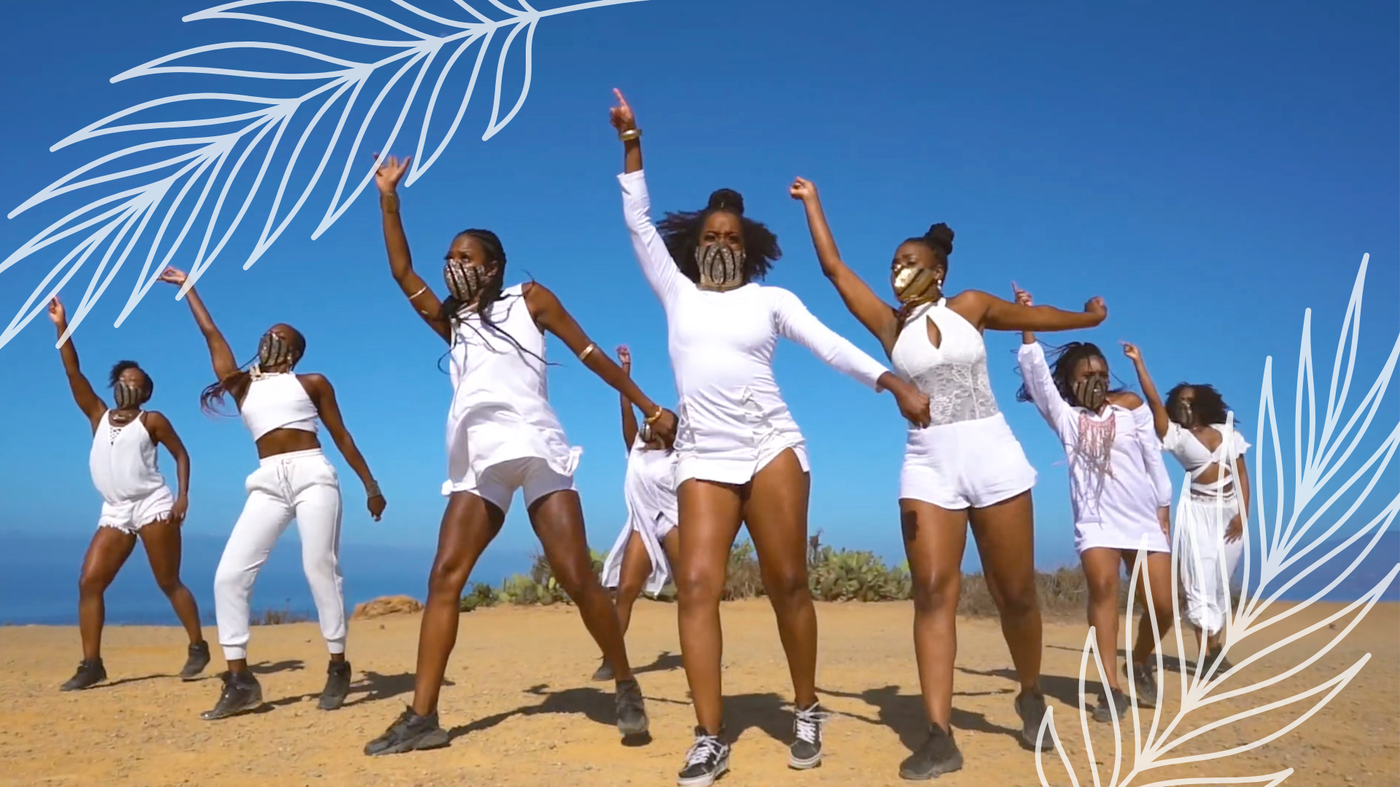
KaJe Movement Collective: Beaucarnea Recurvata (Ponytail Palm or Elephant's Foot Palm)
July 31 | Henry J. Leir Stage
Founded by Kara Jenelle Wade, M.F.A., KaJe Movement Collective is a performance ensemble of radiant artistic Sistas bringing their work ÌYÁguration to the Pillow this summer.
“The Beaucarnea Recurvata, also known as the elephant foot palm or ponytail palm stores water in a sculptural base embodying resilience, adaptability, and the quiet accumulation of life force over time. Symbolic to ÌYÁguration, it becomes a living metaphor for ancestral grounding and the body as a vessel while holding memory, spirit, and sustenance even through periods of drought. Like its cascading leaves, the movement extends outward from this rooted foundation, honoring heritage and the continuity of stories, bodies, and traditions that live on through dance.”
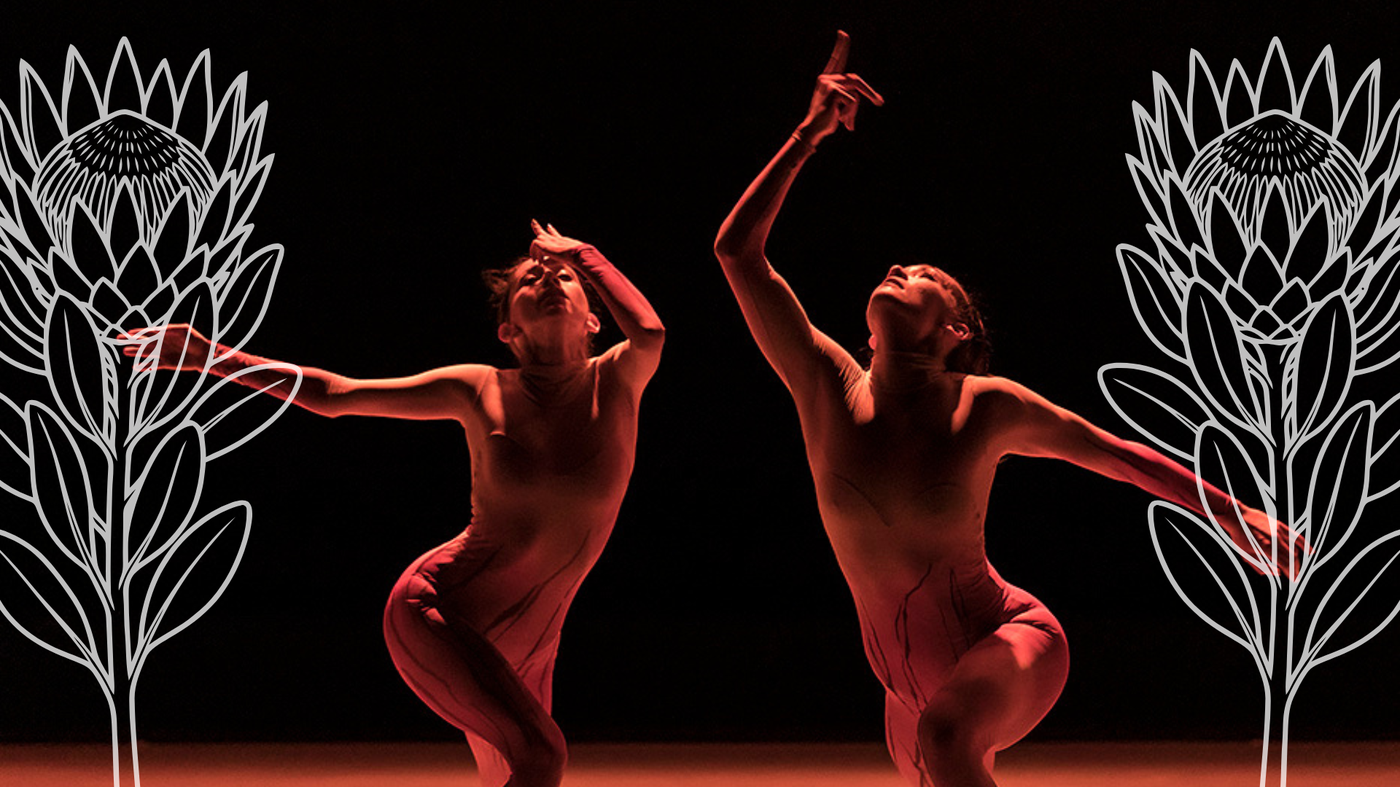
Sorzano Dance Works: Protea
August 13 | Henry J. Leir Stage
A former Alvin Ailey principal dancer, Yusha-Marie Sorzano creates where lineages meet—where identity, migration, and memory move through the body as lived experience.
“The protea feels deeply connected to the world of the works I’m bringing to Jacob’s Pillow this season—including Ember, Sister, Soldier; THREAT; World Anew; and To All Our Ends. It’s an ancient flower that has survived across centuries of harsh conditions and change—its bloom resembling a flame. Across these pieces I return to questions of memory, resilience, and the quiet strategies of survival carried through generations of women—the protea is a living symbol of that survival, an enduring fire.”
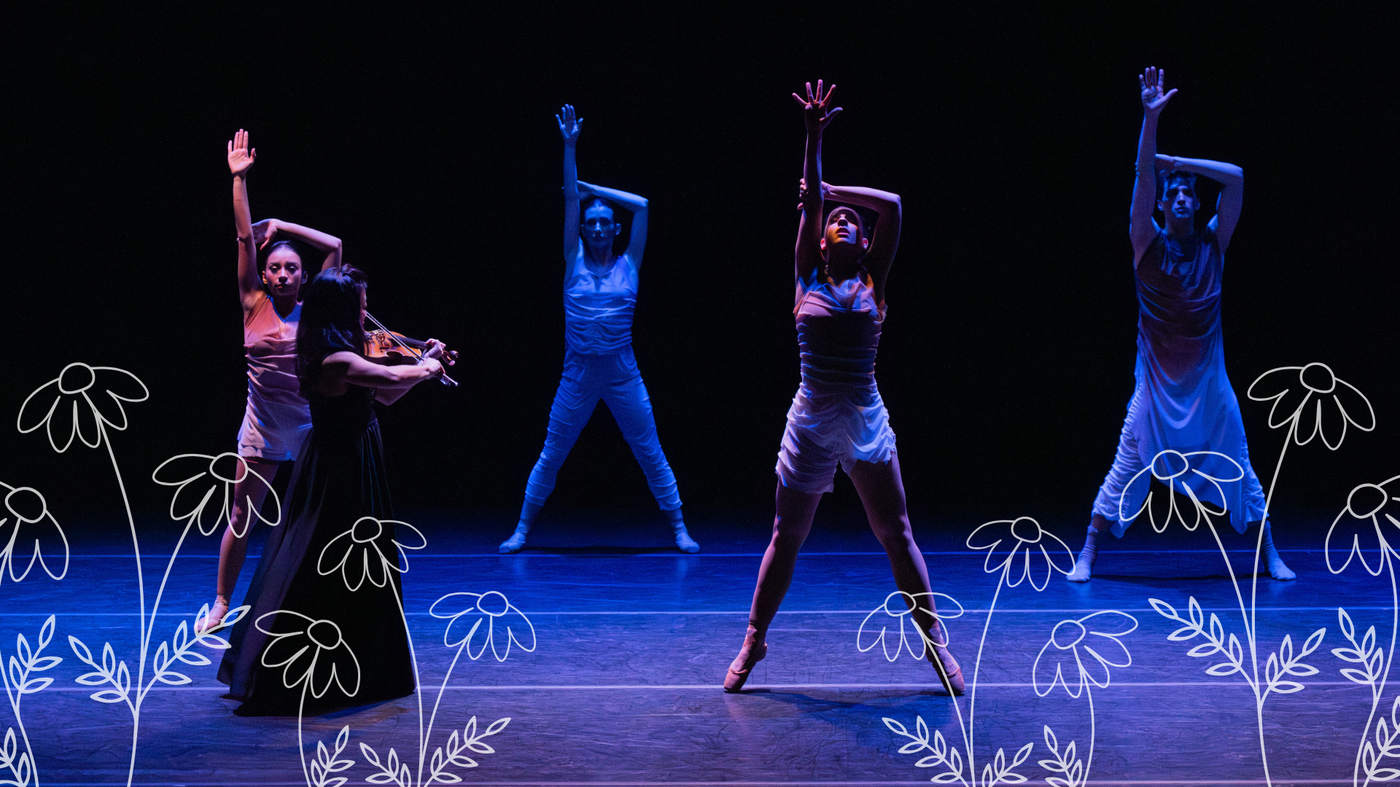
New York Theatre Ballet: Daisy
August 21 | Henry J. Leir Stage
New York Theatre Ballet returns to Jacob’s Pillow for the first time since 2016, celebrating their 47th season. They will present a mixed program, including Antony Tudor's Trio Con Brio, a revival of a piece premiered at Jacob’s Pillow in 1952, and City Scenes, a neo-classical ballet set to music by Allen Shawn.
“Walking through New York City, I was struck by a formidable daisy, sending herself into beauty. It stood upright, proud, and stark in its assertion of color, making a place of grace and strength amid the skyscrapers.”
3 stages. 10 weeks. 1 unforgettable summer.
This Pillow Pick was written by Lucy Kudlinski and published on April 3, 2026.
Read More Pillow Picks
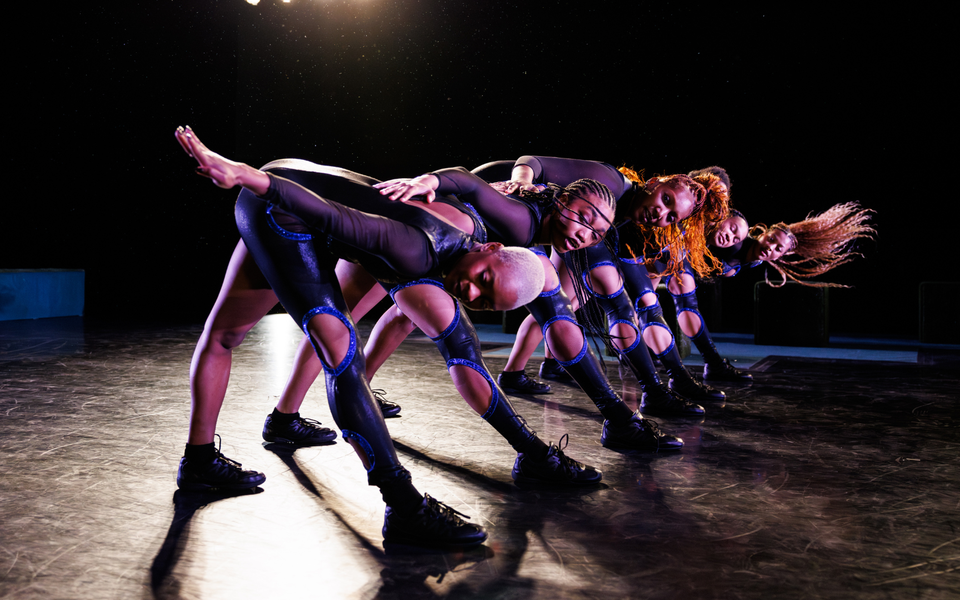
Ogemdi Ude on commanding energy and effort in "MAJOR"
Ogemdi Ude’s "MAJOR" explores the physicality, history, and politics of majorette dance. We spoke with Ude about the work, diving into how collaborators have revisited their past selves and formed connections with majorette dancers today.
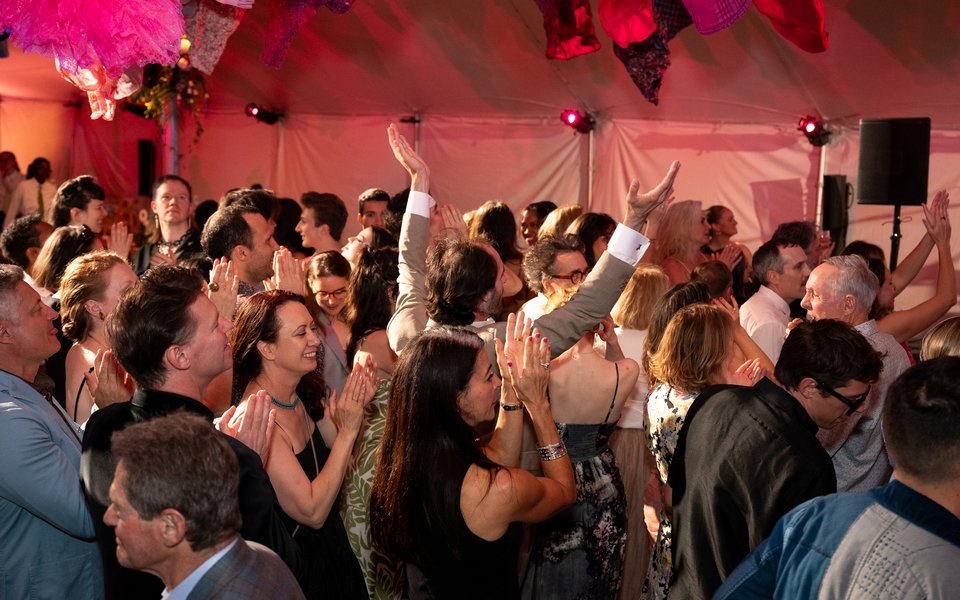
Behind the Magic: Moments of Connection at the 2026 Season Opening Gala
Read an intern's experience of the 2026 Season Opening Gala, featuring performances, lively crowds, and unforgettable moments that give Jacob's Pillow its magic.
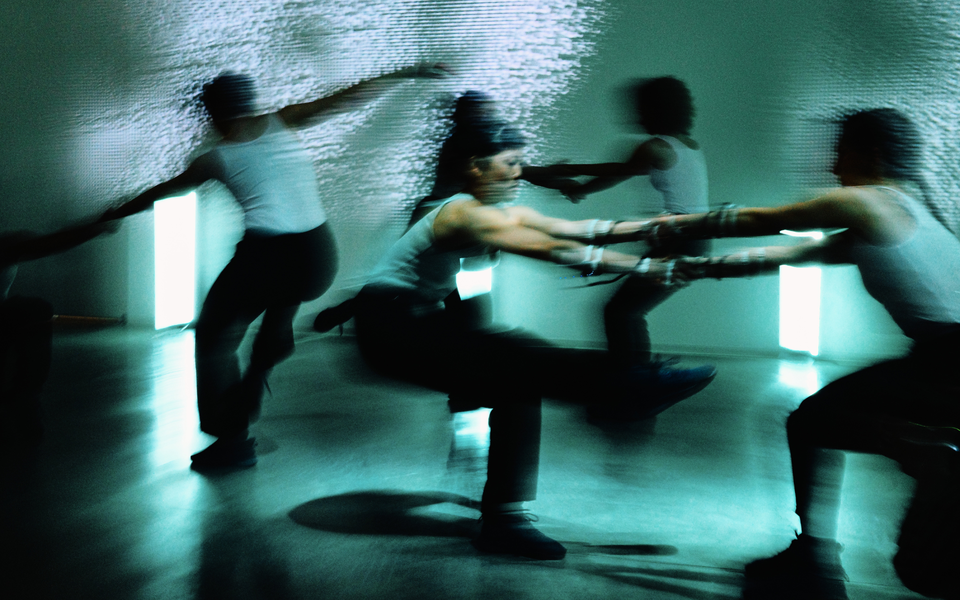
What Gets Lost When the Body Becomes Data
Ilya Vidrin will make his Pillow debut in Festival 2026 with "Proxies." In this guest post on the Pillow's blog, he considers dance, technology, and the limits of what can be captured.